 Prana Path
How to Naturally Fall Asleep: Gentle Evening Habits
Many people want to fall asleep without pills or tricks. A gentle evening routine can help your body and mind slow down. This guide shares simple yoga ideas and safe habits for a calmer night. It offers general wellness tips only. It does not replace advice from your doctor.
This is general wellness information, not medical advice. Read our health disclaimer.
Start With a Calm Evening Routine
Pick a regular time to wind down each night. Dim the lights and put your phone away. Do the same few calm things in the same order. Your body learns that this routine means rest is near. Gentle daily movement also helps, because regular exercise can strengthen your muscles and improve your balance [1]. That makes it easier to move around safely, even late at night.
Make Your Bedroom Safe and Peaceful
A calm room helps you relax. Keep it cool, quiet and tidy. Clear the floor of cables, shoes and rugs that slip. Removing tripping hazards is a simple way to lower your chance of a fall [1]. If you get up in the night, a small night light helps you see the way. If you have stairs, check that the rails are firm [1].
Slow Your Breath Before Bed
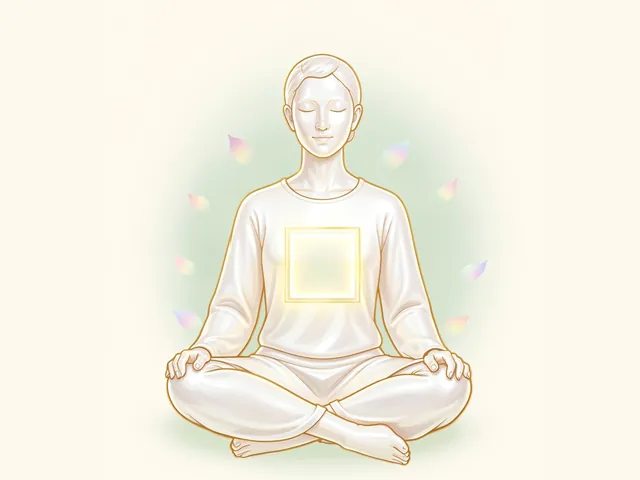
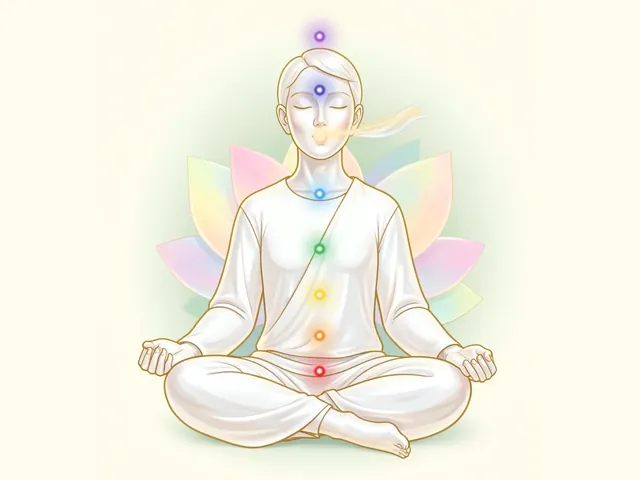
Slow breathing is a gentle way to settle down. Sit or lie in a comfortable spot. Try Box Breathing (Sama Vritti, a breath with four equal parts). Breathe in, pause, breathe out, pause, all for the same count. You can also try Bee Breath (Bhramari, a humming breath). Hum softly as you breathe out. Some medicines can make you dizzy, and dizziness can lead to falls [1]. If you feel light-headed, stop and breathe normally.
Try Gentle Yoga in the Evening
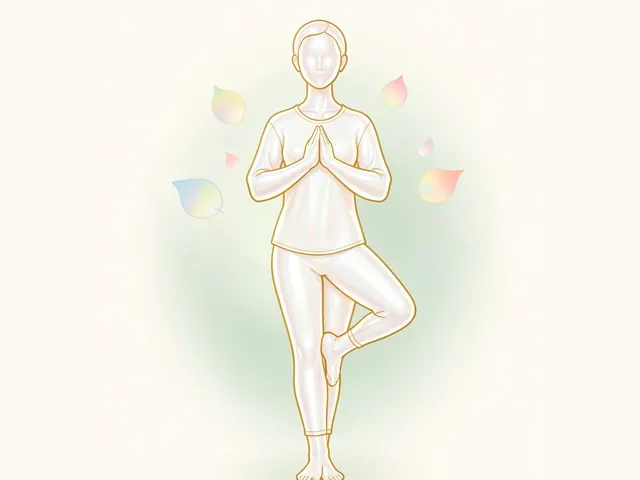
Keep evening yoga slow and soft. Cobra Pose (Bhujangasana, a gentle back bend) stretches the front of your body. Lie on your tummy and lift your chest only a little. Tree Pose (Vrikshasana, a standing balance) can calm a busy mind. Stand near a wall for support. Balance problems and weak leg muscles raise the risk of falls [1], so go slowly. Stop if anything hurts.
Quiet the Mind With Gentle Focus
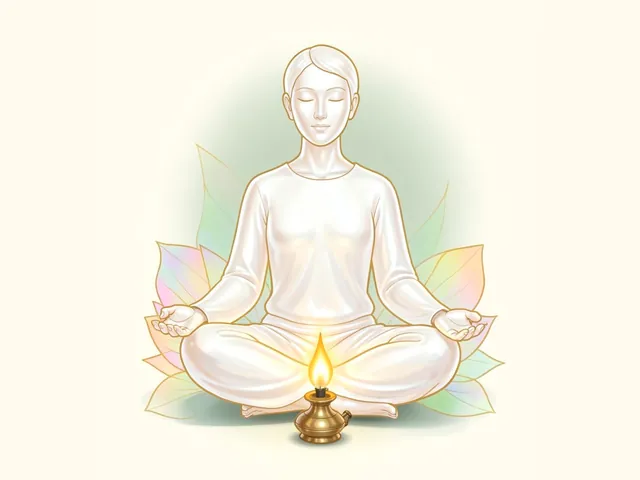
Busy thoughts often keep us awake. Trataka (candle gazing, a calm focus practice) gives your eyes and mind one soft point to rest on. Sit safely and never leave a candle alone. You can also try Bhagavad Gita Meditation (Dhyana, quiet seated focus). The Bhagavad Gita (an ancient Indian text) says balance matters in eating, rest and effort. This idea is found in Gita 6.16-17. Avoid alcohol as a bedtime drink, because it can affect your balance and reflexes [1].
When to See a Doctor
Talk to a doctor if sleep trouble lasts for weeks. Also speak up if you feel dizzy or unsteady at night. Some medicines and illnesses can cause dizziness or confusion, and they may raise your chance of falling [1]. Regular eye exams also matter, since vision problems add to the risk [1]. Yoga is a gentle support, not a treatment.
Try it: simple steps
- Choose a regular bedtime and wake time.
- Dim the lights and put your phone away an hour before bed.
- Clear the floor and add a small night light.
- Do a few gentle stretches such as Cobra Pose (Bhujangasana).
- Try five slow rounds of Box Breathing (Sama Vritti).
- Hum softly with Bee Breath (Bhramari) for a minute.
- Lie down and let your breath go slow and easy.
Questions people ask
What is the fastest way to naturally fall asleep?
There is no instant fix. Slow breathing and a calm, dark room are a good place to start. Keep your routine the same each night and give it a few weeks.
Is yoga before bed safe?
Gentle yoga is usually fine for most people. Choose slow, easy poses and stay near a wall for balance. Balance problems can raise your chance of a fall [1], so stop if you feel dizzy and ask your doctor if unsure.
Should I drink alcohol to help me sleep?
It is better to skip it. Alcohol can affect your balance and reflexes [1], which makes night-time walking less safe. A warm, caffeine-free drink and a calm routine are gentler choices.
Sources
- MedlinePlus: Falls · U.S. National Library of Medicine
Written with AI assistance from the sources above, then checked for copied text and risky health claims. How we write
Practise it here
Related reading
This is general wellness information, not medical advice. Move slowly, never force a pose or a breath, and stop if you feel pain, dizziness or breathlessness. If you are pregnant, have high blood pressure, heart, lung or eye conditions, or recent surgery, ask your doctor before starting.