 Prana Path
How to Meditate Spiritually: A Gentle Guide
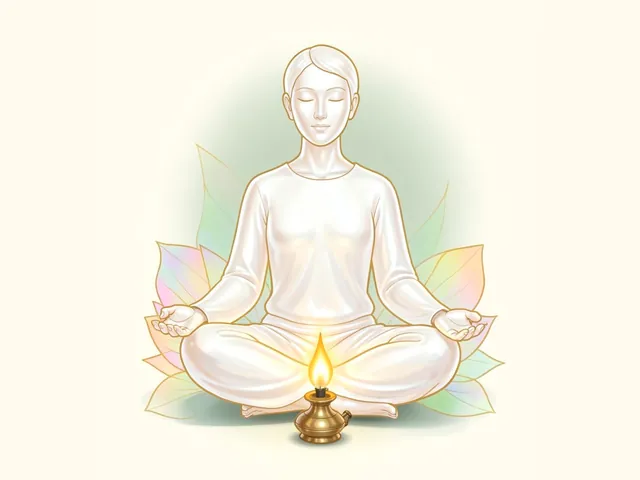
Spiritual meditation means sitting quietly to feel calm, clear and connected to something deeper. You do not need special skills or a perfect room. This guide shows you how to begin in a gentle, simple way.
This is general wellness information, not medical advice. Read our health disclaimer.
What Spiritual Meditation Means
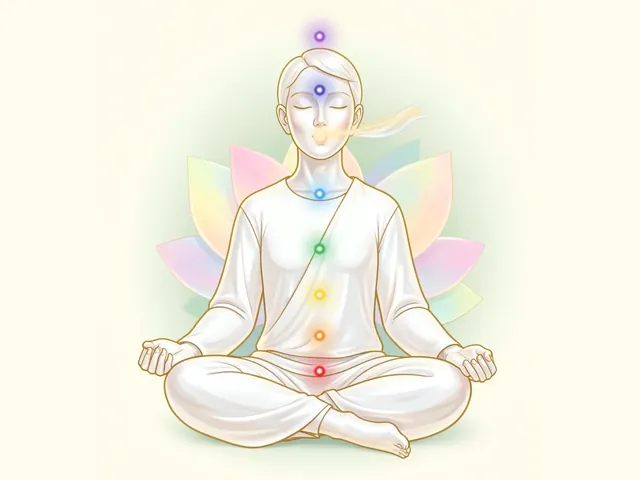
Spiritual meditation is a quiet practice of turning your attention inward. Some people connect with God, some with nature, and some with their own inner stillness. You can choose what feels right for you. Many people meditate to relax or ease daily stress [1]. In Indian tradition, this practice is called dhyana (meditation). It is a path to a calm and steady mind.
Prepare Your Space and Your Body
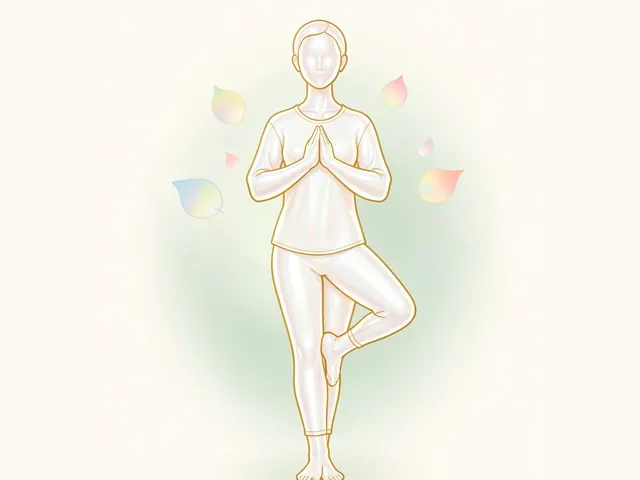
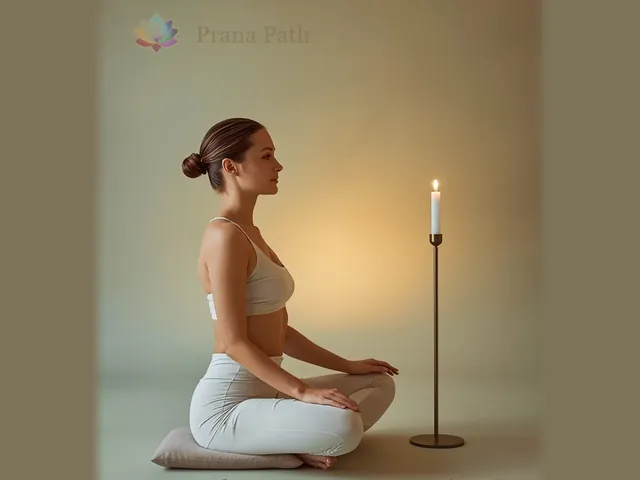
Pick a quiet corner where nobody will disturb you. Sit on a chair, a cushion or the floor. Keep your back tall but relaxed. Rest your hands on your lap. Many people find that meditation helps them relax [1], so wear soft, loose clothes. If sitting feels hard, try Tree Pose (Vrikshasana) first. This standing pose helps you feel steady and grounded.
Use Your Breath as a Doorway
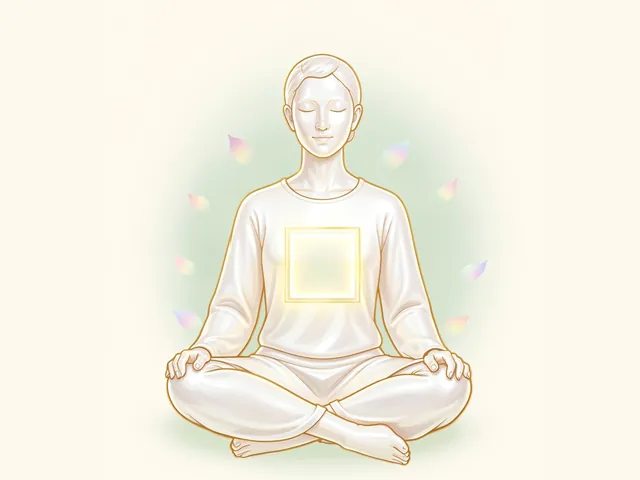
Your breath is a simple way to settle the mind. Breathe in slowly through your nose. Then breathe out even more slowly. People often use meditation to feel less stressed [1], and slow breathing is a gentle way to begin. Try Box Breathing (Sama Vritti) to count your breath in even steps. You can also try Bee Breath (Bhramari), a humming breath that many find soothing.
Try a Simple Spiritual Practice
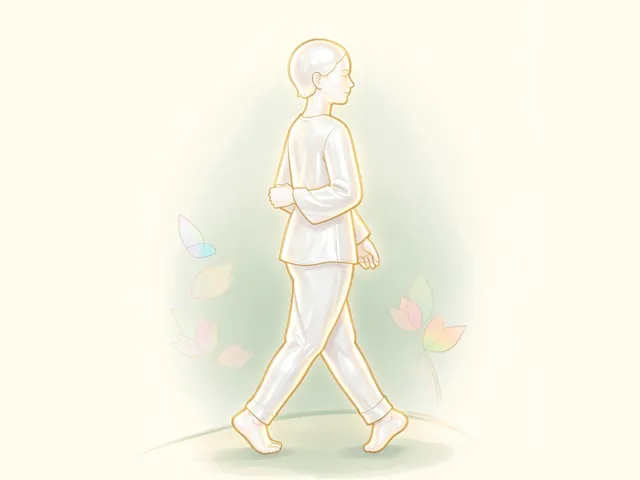
Choose one focus and stay with it. You might repeat a calm word, called a mantra (a sacred sound or phrase). You might also rest your gaze on a candle flame with Trataka (Candle Gazing). If sitting still is tough, try Walking Meditation (Chankramana). Many people meditate for general wellness and calm [1]. When your mind wanders, which is normal, gently return to your focus without scolding yourself.
Find Balance, Like the Bhagavad Gita Teaches
The Bhagavad Gita (an ancient Indian scripture) says yoga works best when life is balanced. In verses 6.16 and 6.17, it advises moderation in eating, sleeping, rest and effort. In plain words, do not push too hard or too little. Start with five minutes a day. A short, steady habit suits most beginners, and people commonly turn to meditation to feel calmer [1]. You can read more in our Bhagavad Gita Meditation (Dhyana) guide.
Be Safe and Patient
Meditation is a general wellness practice, not a treatment for any illness. Many people use it to feel relaxed [1], but results differ from person to person. If you feel unwell, or have a health worry, please talk to a doctor. Go gently if strong feelings come up. You can stop at any time and take a few easy breaths. Over time, a patient and kind approach helps your practice grow.
Try it: simple steps
- Find a quiet place and sit comfortably.
- Keep your back tall and your shoulders soft.
- Close your eyes or look softly at the floor.
- Breathe in and out slowly through your nose.
- Pick one focus, such as your breath or a mantra.
- When your mind wanders, bring it back kindly.
- Start with five minutes, then end with a slow breath.
Questions people ask
How do I start meditating spiritually as a beginner?
Sit comfortably in a quiet place for five minutes. Follow your breath and gently return to it when your mind wanders. Many people meditate to relax [1].
Do I need to be religious to meditate spiritually?
No. You can meditate with any belief or none. Spiritual meditation simply means turning inward with calm and kind attention.
How long should I meditate each day?
Start with five minutes and add time slowly. The Bhagavad Gita (6.16-17) teaches balance, so keep your practice steady and gentle.
What if my mind keeps wandering?
That is normal for everyone. Notice the thought, then softly bring your focus back to your breath. Each return is part of the practice.
Sources
- NCCIH: Meditation and Mindfulness - Effectiveness and Safety · U.S. National Institutes of Health
Written with AI assistance from the sources above, then checked for copied text and risky health claims. How we write
Practise it here
Related reading
This is general wellness information, not medical advice. Move slowly, never force a pose or a breath, and stop if you feel pain, dizziness or breathlessness. If you are pregnant, have high blood pressure, heart, lung or eye conditions, or recent surgery, ask your doctor before starting.