 Prana Path
Mindfulness for ADHD: Gentle Practices to Try

Many people with ADHD (a difference in how the brain handles attention and activity) ask a question. They wonder if mindfulness (calmly noticing the present moment) can help. Mindfulness means noticing the present moment with kindness. This page shares gentle ideas for beginners and explains why a doctor still matters.
This is general wellness information, not medical advice. Read our health disclaimer.
What mindfulness means
Mindfulness is the habit of noticing what is happening right now. You try not to judge yourself or the moment [1]. For example, you might notice your breath, your feet, or the sounds in the room. Your mind will wander, and that is normal. Each time you notice it wandering, you simply come back.
What to know before you start
Mindfulness is not a cure or a treatment for ADHD. The sources we use do not make that claim, and neither do we. Mindfulness practices are usually seen as low risk [1]. Some programs mix mindfulness with talks and other tools, so a trained teacher can add support [1]. If ADHD affects your school, work or home life, please see a doctor. Gentle practice can sit beside that care.
Start very small
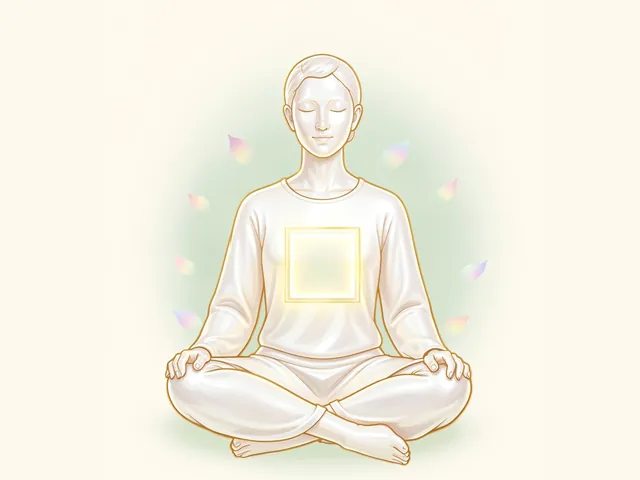
Long, silent sittings can feel hard when your mind is busy. Begin with one minute and stop while it still feels easy. Many people who try mindfulness say they want to relax or ease stress [1]. Try Box Breathing (Sama Vritti, an equal-count breath practice). Breathe in for four counts, hold for four, breathe out for four, and hold for four. Counting gives your mind a simple job to do.
Try moving mindfulness
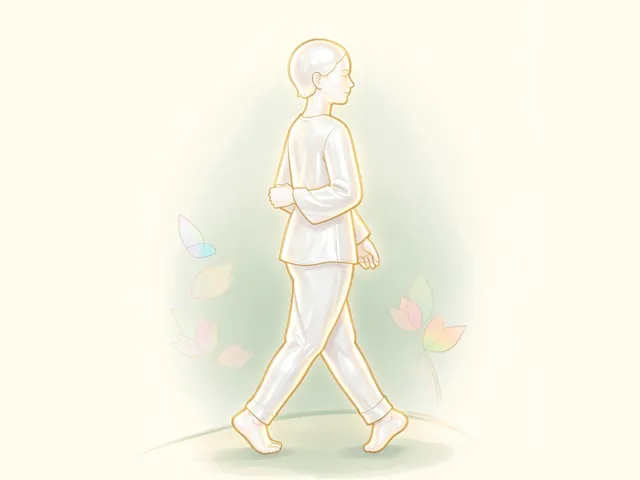
Sitting still is not the only way to practise. Walking Meditation (Chankramana, a slow and aware walk) lets your body move while your mind rests on your steps. Feel each foot touch the ground. When thoughts pull you away, return to your feet. Mindfulness is simply attention on the present moment [1], and walking gives that attention a clear place to land.
Take breaks from screens
Phones and laptops can pull your attention in many directions. Researchers in a field called mindfulness and technology study how to help people stay aware instead of getting lost in their devices [2]. They also note that heavy device use can harm mental and physical health [2]. You can try a small step today. Put your phone in another room for your practice time, then take three slow breaths.
Balance and kindness from the Gita
The Bhagavad Gita (a sacred Indian text) teaches balance in verses 6.16 and 6.17. In our words, it says to avoid too much or too little of eating, sleeping, rest and effort. This fits mindfulness well. Even short, regular practice can be enough, and people often practise to relax and to sleep better [1]. Our Bhagavad Gita Meditation (Dhyana, quiet meditation) page shows a simple way to begin. Be patient with yourself on busy days.
Try it: simple steps
- Choose a quiet spot and a short time, such as one minute.
- Put your phone away from you.
- Sit or stand comfortably and feel your breath.
- Try Box Breathing (Sama Vritti) for four rounds.
- When your mind wanders, gently return to your breath.
- Or try Walking Meditation (Chankramana) for two minutes.
- Add a minute each week only if it feels easy.
Questions people ask
Can mindfulness cure ADHD?
No. Mindfulness is not a cure or a treatment for ADHD. It is a gentle practice that some people enjoy for relaxing and easing stress [1]. Please talk to a doctor about ADHD care.
Is mindfulness safe for beginners?
Mindfulness practices are usually seen as having few risks [1]. Start with short sessions and stop if you feel uneasy. If strong feelings come up, speak with a doctor or a trained teacher.
How long should I practise each day?
Start with one or two minutes. Short, regular practice is easier to keep than long sessions. Add time slowly only if it feels comfortable.
What if my mind keeps wandering?
That is normal for everyone. Mindfulness means noticing the present moment without judging it [1]. Each time you notice a wandering mind, you are practising. Gently come back to your breath or your steps.
Sources
- NCCIH: Meditation and Mindfulness - Effectiveness and Safety · U.S. National Institutes of Health
- Wikipedia: Mindfulness and technology · Wikipedia (background only)
Written with AI assistance from the sources above, then checked for copied text and risky health claims. How we write
Practise it here

Related reading
This is general wellness information, not medical advice. Move slowly, never force a pose or a breath, and stop if you feel pain, dizziness or breathlessness. If you are pregnant, have high blood pressure, heart, lung or eye conditions, or recent surgery, ask your doctor before starting.