 Prana Path
Unlock the Power of Mantra Meditation Music
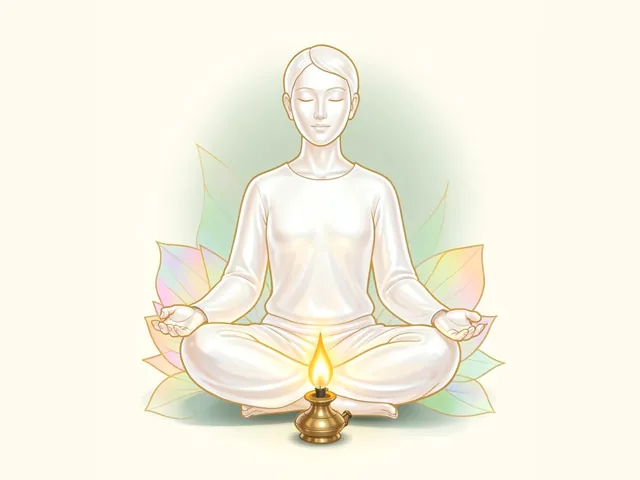
Mantra meditation music has been a cornerstone of Eastern spiritual practices for centuries. The repetition of a mantra, or sacred sound, can help calm the mind and bring a sense of balance to our busy lives.
What is Mantra Meditation Music?
Mantra meditation music is a powerful tool that combines the ancient practice of meditation with the soothing sounds of music. By focusing on a specific mantra or phrase, you can quiet the mind and connect with your inner self. Our gentle yoga and meditation practices, such as Box Breathing and Bee Breath, can be enhanced by incorporating mantra meditation music into your routine.
The Benefits of Mantra Meditation Music
Mantra meditation music has been shown to have numerous benefits, including reduced stress and anxiety [1]. By incorporating mantra meditation music into your daily routine, you can experience a sense of calm and clarity that can translate to other areas of your life. Whether you're looking to improve your mental health, enhance your spiritual practice, or simply find a sense of balance, mantra meditation music can be a powerful tool.
How to Practice Mantra Meditation Music
To practice mantra meditation music, start by finding a quiet and comfortable space to sit or lie down. Close your eyes and take a few deep breaths, focusing on the sensation of the breath moving in and out of the body. Then, choose a mantra or phrase that resonates with you, and repeat it to yourself as you focus on the sound. You can also use guided recordings or apps to help you get started.
Tips for Incorporating Mantra Meditation Music into Your Practice
Here are a few tips for incorporating mantra meditation music into your practice: Start with short sessions, such as 5-10 minutes, and gradually increase the length as you become more comfortable. Experiment with different mantras and phrases to find what works best for you. Try incorporating mantra meditation music into your daily routine, such as before bed or during your morning yoga practice.
Connecting with the Bhagavad Gita's Idea of Balance
The Bhagavad Gita teaches us about the importance of balance and moderation in our lives. By incorporating mantra meditation music into your practice, you can find a sense of balance and harmony that can translate to other areas of your life. Remember, the goal is not to achieve a specific state, but rather to cultivate a sense of awareness and presence in the present moment.
Conclusion
Mantra meditation music is a powerful tool that can help you find calm, clarity, and balance in your life. By incorporating it into your practice, you can experience a sense of connection to your inner self and the world around you. Remember to start small, be patient, and have fun exploring the many benefits of mantra meditation music.
Questions people ask
What is the best way to get started with mantra meditation music?
Start by finding a quiet and comfortable space to sit or lie down. Close your eyes and take a few deep breaths, focusing on the sensation of the breath moving in and out of the body. Then, choose a mantra or phrase that resonates with you, and repeat it to yourself as you focus on the sound.
How often should I practice mantra meditation music?
It's recommended to practice mantra meditation music at least once a day, ideally at the same time each day. You can start with short sessions, such as 5-10 minutes, and gradually increase the length as you become more comfortable.
Can I use guided recordings or apps to help me get started?
Yes, guided recordings and apps can be a great way to get started with mantra meditation music. There are many free and paid resources available online that can help you find a mantra or phrase that resonates with you and guide you through the practice.
Sources
- NCCIH: Meditation and Mindfulness - Effectiveness and Safety · U.S. National Institutes of Health
Written with AI assistance from the sources above, then checked for copied text and risky health claims. How we write
Practise it here
Related reading
This is general wellness information, not medical advice. Move slowly, never force a pose or a breath, and stop if you feel pain, dizziness or breathlessness. If you are pregnant, have high blood pressure, heart, lung or eye conditions, or recent surgery, ask your doctor before starting.