 Prana Path
Ayurvedic Diet for Vata Dosha: A Gentle Beginner Guide
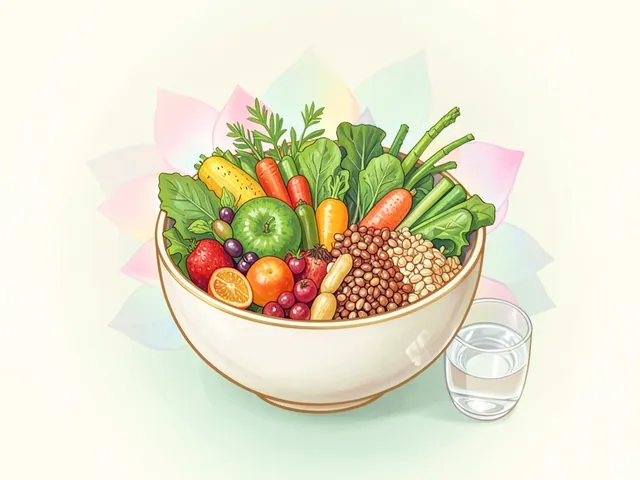
Ayurveda (the traditional health science of India) describes three body types, called doshas (body energy types). Vata dosha (the air and movement type) is one of them. This guide explains an ayurvedic diet for vata dosha in plain words, with gentle tips you can try at home.
This is general wellness information, not medical advice. Read our health disclaimer.
What is vata dosha?
In Ayurveda, vata is linked with air and movement. People with a lot of vata are often described as quick, creative and full of ideas. Tradition says they can also feel restless, cold or dry when out of balance. This is an old way of seeing people, not a medical test. Eating well is about picking meals and drinks that help your body stay strong [1].
The main ideas of a vata-friendly diet
Ayurveda suggests foods that feel warm, soft, moist and grounding for vata. Think of cooked oats, soups, stews, rice and steamed vegetables. Tradition says cold, dry and raw foods can feel harsh for this type. Ayurveda also likes regular meal times, so the body knows what to expect. Healthy eating can look different based on your culture, taste and budget [1].
Foods many people choose for vata
Warm porridge, lentil soup, cooked carrots, sweet potato and ripe fruit are common choices. Ayurveda also uses gentle spices such as ginger, cumin and cinnamon. A little ghee (clarified butter) or olive oil is often added to meals. Warm herbal tea is a simple way to drink more fluid. Your body needs many food groups: protein, starchy foods, fats, vitamins, minerals and fluids, so eat a bit of each [1].
Keep it simple and flexible
You do not need a strict diet to eat well [1]. Pick a few ideas that feel good and try them for a few weeks. Notice how you feel after meals. Eat slowly and sit down when you can. If you enjoy a favourite food, you can keep it in your week, just not too often [1].
Balance, routine and calm habits
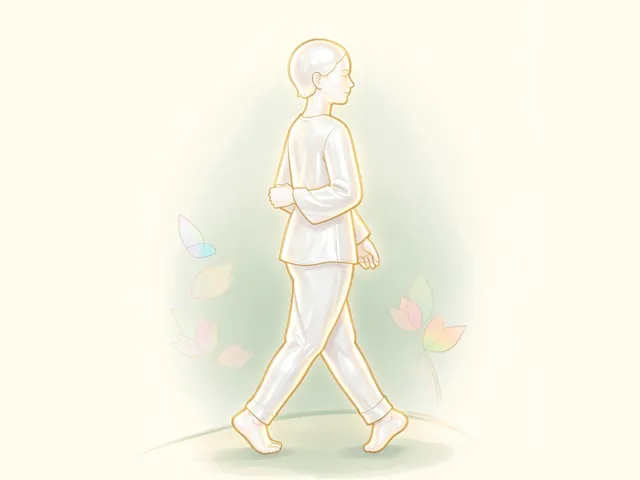
The Bhagavad Gita (a sacred Indian text) teaches balance in eating and sleeping. It says a steady, moderate way of living supports a calm mind (Gita 6.16-17). This fits vata well, because routine can feel settling. Try eating at similar times each day. You can add Alternate Nostril Breathing (Nadi Shodhana) before a meal to slow down. A short Walking Meditation (Chankramana) after eating is also gentle.
When to ask a professional
Your needs depend on your age, activity level, health conditions and goals [1]. No single diet works for everyone [1]. If you have a health problem, take medicine or are pregnant, talk to your doctor before changing how you eat. A doctor or dietitian can help you build a plan that is safe for you. Ayurveda is a tradition of wellbeing and does not replace medical care.
Try it: simple steps
- Eat meals at around the same times each day.
- Choose warm, cooked foods more often than cold, raw ones.
- Add gentle spices such as ginger or cumin.
- Drink warm water or herbal tea through the day.
- Sit down and eat slowly, without screens.
- Try Alternate Nostril Breathing before a meal.
- Check with your doctor if you have a health condition.
Questions people ask
What is the best diet for vata dosha?
Ayurveda suggests warm, soft, moist foods such as soups, porridge, rice and cooked vegetables. There is no one diet for everyone, because needs depend on age, activity and health [1]. Ask your doctor what suits you.
What foods should vata avoid?
Ayurveda says cold, dry and raw foods may feel less comfortable for vata. These include iced drinks and large raw salads. You can still eat many of them, because a healthy diet has room for lots of different foods [1].
Does an ayurvedic diet treat health problems?
No. It is a traditional way of choosing meals, not a cure or treatment. If you have a health problem, see your doctor first. Healthy eating works best with regular activity [1].
How do I know if I am vata?
Ayurveda describes vata as light, quick and changeable. Online quizzes are only a rough guide. A trained Ayurvedic teacher can explain more, but this is not a medical diagnosis.
Sources
- MedlinePlus: Nutrition · U.S. National Library of Medicine
Written with AI assistance from the sources above, then checked for copied text and risky health claims. How we write
Practise it here

Related reading
This is general wellness information, not medical advice. Move slowly, never force a pose or a breath, and stop if you feel pain, dizziness or breathlessness. If you are pregnant, have high blood pressure, heart, lung or eye conditions, or recent surgery, ask your doctor before starting.