 Prana Path
Sattvic Diet Benefits: A Guide to Healthy Eating
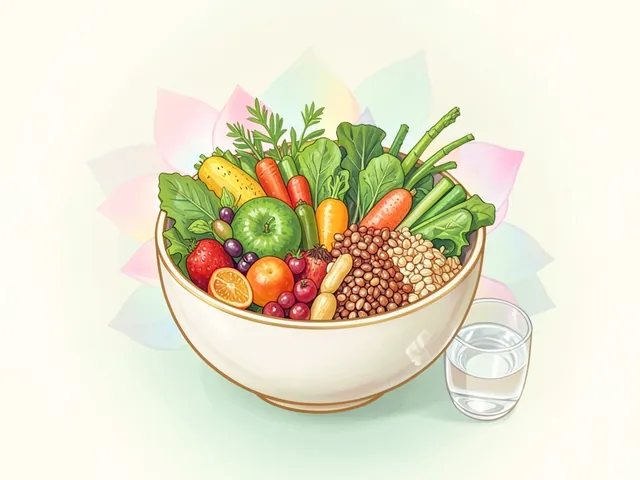
In yoga tradition, a sattvic diet means eating food that is fresh, simple and nourishing. The aim is a body that feels light and a mind that feels clear. This way of eating has roots in ancient Indian thought. It is not a modern medical plan. The good news is that its main ideas sit well beside today's everyday healthy-eating advice.
Where the idea comes from
Yoga philosophy speaks of three qualities, called gunas. They are sattva (clarity and balance), rajas (restless energy) and tamas (heaviness and dullness). The Bhagavad Gita is a classic Indian yoga text. In its seventeenth chapter, it groups foods by these qualities. It praises meals that are wholesome, pleasant and strengthening. In this view, a sattvic plate supports a calm, steady mind as well as a healthy body. Traditionally it is vegetarian, often with milk and ghee (clarified butter).
What a sattvic plate looks like
Think colourful vegetables and fruit, and whole grains such as brown rice, oats or whole wheat. Add lentils and beans, nuts and seeds, a little dairy and gentle spices. Modern advice points the same way. Harvard's Healthy Eating Plate suggests making about half of each meal vegetables and fruit. It suggests a quarter whole grains and a quarter protein foods, such as beans or nuts [2]. The NHS Eatwell Guide recommends at least five portions of fruit and vegetables a day. It also suggests choosing wholegrain or higher-fibre starchy foods where you can [1].
Lentils and beans: the heart of the meal
Dal (lentil stew), chana (chickpeas) and rajma (kidney beans) are everyday sattvic staples, and they earn their place. The NHS describes pulses such as beans, peas and lentils as a low-fat source of protein and fibre. It calls them a good swap for meat [1]. They are especially valuable for anyone not eating meat or fish. Mixing different protein foods helps you get a good range of the building blocks your body needs [3].
How you eat matters too
The sattvic approach cares about how food is eaten as much as the food itself. Ideally, meals are freshly cooked and eaten at fairly regular times. They are enjoyed sitting down, not on the run. Many yoga teachers also suggest a moment of thanks before eating. They suggest chewing slowly and stopping before you feel heavy. These simple, low-cost habits help many people notice hunger and fullness more clearly. They also help people enjoy their food more.
Ghee, sweets and balance
Ghee is loved in Indian kitchens, but it is still a saturated fat. The NHS lists butter and ghee among foods to have less often and in small amounts. For everyday cooking, it suggests oils that are lower in saturated fat, like olive, rapeseed or sunflower oil [1]. Sweets fit the same pattern. For drinks, Harvard recommends water, tea or coffee, and skipping sugary drinks [2]. This matches the Gita's own advice on moderation: not too much, not too little.
Nutrients to watch on a vegetarian plate
A well-planned vegetarian diet can be healthy, but a few nutrients need attention. The NHS says people who skip meat and fish need to keep an eye on their iron and vitamin B12 [3]. Iron from plants is harder for the body to absorb. So it helps to pair lentils or leafy greens with a food rich in vitamin C [3]. Vitamin B12 is found naturally only in animal foods. So dairy, eggs or fortified foods (foods with added vitamins) matter [3]. Dairy or fortified plant drinks also supply calcium [3].
Safety first
Talk to your doctor or a registered dietitian before changing how you eat if you are pregnant or breastfeeding. Do the same if you have a long-term health condition, take regular medicine or have had an eating disorder in the past. Children on vegetarian diets also need careful planning [3]. Change your meals slowly and listen to your body. See this as general wellness advice, not personal medical advice.
Try it: simple steps
- Fill half your plate with colourful vegetables and some fruit.
- Add a quarter of whole grains, such as brown rice, millet, oats or whole-wheat roti (flatbread).
- Make the last quarter protein: dal, beans, chickpeas, paneer (fresh Indian cheese), tofu or a handful of nuts.
- Cook with a little vegetable oil most days. Keep ghee for a small spoonful now and then.
- Drink water or plain tea, and enjoy sweets only now and then.
- Eat slowly, without screens, and stop when you feel comfortably full.
Questions people ask
Is a sattvic diet the same as vegetarian?
It is usually vegetarian. But it also focuses on fresh, simple food, gentle spices and moderate portions. Many versions include milk and ghee.
Do I need supplements on a sattvic diet?
Anyone who avoids meat and fish should pay attention to iron and vitamin B12. Ask your doctor or a dietitian if a supplement or fortified foods make sense for you.
Can I follow a sattvic diet and still eat onions or garlic?
Strict traditions avoid them. But the bigger picture matters more: plenty of vegetables, whole grains and pulses, eaten calmly and in balance.
Sources
- NHS: The Eatwell Guide · NHS (UK National Health Service)
- Harvard T.H. Chan School of Public Health: Healthy Eating Plate · Harvard T.H. Chan School of Public Health
- NHS: The vegetarian diet · NHS (UK National Health Service)
Written with AI assistance from the sources above, then checked for copied text and risky health claims. How we write
This is general wellness information, not medical advice. Move slowly, never force a pose or a breath, and stop if you feel pain, dizziness or breathlessness. If you are pregnant, have high blood pressure, heart, lung or eye conditions, or recent surgery, ask your doctor before starting.