 Prana Path
Breathing Technique for Pull Ups: A Simple Guide
Many people hold their breath during a pull up. A steady breath can help you feel calmer and more in control. This guide shows a simple pattern you can try, with gentle yoga ideas to support it.
This is general wellness information, not medical advice. Read our health disclaimer.
Why Your Breath Matters on the Bar
A pull up asks a lot from your arms, back and core. Many people tense up and stop breathing without noticing. Slow, deep breathing is one way to help the body settle into its relaxation response (a calm state), which includes a slower heartbeat [1]. A calm breath can also help you stay focused on each rep. Gentle breathing does not replace good form or a coach.
The Basic Pattern: Breathe Out as You Pull
Most people find this pattern easy to learn. Breathe in while you hang at the bottom. Breathe out slowly as you pull your chin up. Breathe in again as you lower yourself with control. Keep the breath smooth, not forced. Slow, deep belly breathing, called diaphragmatic breathing (breathing with the belly muscle under your lungs), is a common relaxation exercise [1].
Practise Breathing Before You Add Effort
Learn the rhythm first on the floor, then on the bar. Try a few slow breaths while you hang with your feet supported. If you are new, use a band or a low bar. Rest between sets and let your breath settle. Calm breathing is part of many relaxation techniques [1]. Try Box Breathing (Sama Vritti), which uses equal counts for in, hold, out and hold, between sets to help you reset.
Release Tension in Your Body
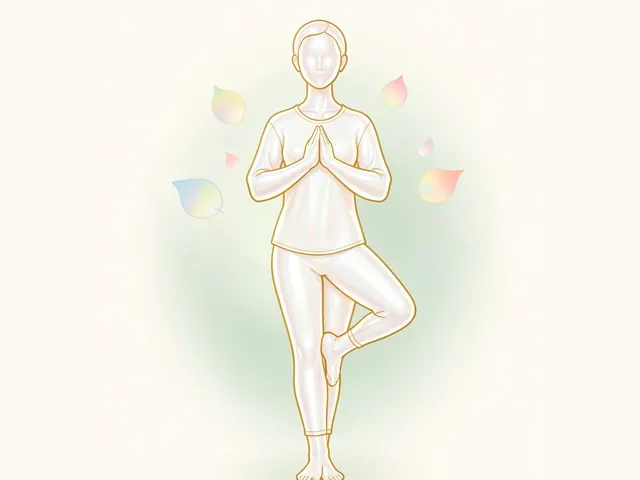
Tight shoulders, a clenched jaw and a gripped breath often go together. Progressive relaxation means tensing a muscle group and then letting it go [1]. You can use this idea after your set. Shake out your hands and drop your shoulders. Then take three slow breaths. Gentle yoga also helps. Tree Pose (Vrikshasana) builds balance and calm focus, and Cobra Pose (Bhujangasana) gently opens the chest after pulling work.
Find Balance, Like the Bhagavad Gita Teaches
The Bhagavad Gita (an ancient Indian text) speaks about balance in Gita 6.16-17. It says steady practice works best when you do not push too hard or do too little. The same idea fits pull ups. Train with effort, but rest well and listen to your body. Slow breathing is a simple tool for staying steady and calm [1]. Stop if you feel dizzy, sharp pain or any strain.
Try it: simple steps
- Stand or hang with your body relaxed and your shoulders down.
- Breathe in slowly through your nose.
- Breathe out gently as you pull your chin toward the bar.
- Pause for a moment at the top without holding your breath.
- Breathe in as you lower yourself with control.
- Rest and take three slow, deep belly breaths between sets.
- Stop and rest if you feel dizzy or pain.
Questions people ask
Should I breathe in or out when doing a pull up?
Most people breathe out as they pull up and breathe in as they lower. Keep the breath smooth and never hold it for long. Slow, deep breathing is a common relaxation exercise [1].
Should I hold my breath during a pull up?
Try not to hold your breath for long. It can make you tense and tired. If you feel dizzy or unwell, stop and rest, and talk to a doctor if it keeps happening.
How can I stay calm between sets?
Take a few slow, deep belly breaths and let your shoulders drop. Slow breathing is linked with the body's relaxation response [1]. Box Breathing (Sama Vritti) is an easy pattern to try.
Can yoga help with pull ups?
Gentle yoga can help you learn breath control, balance and focus. Poses like Tree Pose (Vrikshasana) and Cobra Pose (Bhujangasana) are good places to start. Go slowly and see a doctor if you have health worries.
Sources
- NCCIH: Relaxation Techniques · U.S. National Institutes of Health
Written with AI assistance from the sources above, then checked for copied text and risky health claims. How we write
Practise it here
Related reading
This is general wellness information, not medical advice. Move slowly, never force a pose or a breath, and stop if you feel pain, dizziness or breathlessness. If you are pregnant, have high blood pressure, heart, lung or eye conditions, or recent surgery, ask your doctor before starting.