 Prana Path
Yogic Diet B.Ed Notes: Simple Guide for Students

These yogic diet B.Ed notes explain the topic in simple words. The yogic diet comes from Indian tradition and favours fresh, simple food. Eating well means picking meals and drinks that help your body stay strong and well [1].
This is general wellness information, not medical advice. Read our health disclaimer.
What Is a Yogic Diet?
A yogic diet is a way of eating taught in yoga tradition. It favours fresh, plain, plant-based meals. Many yoga teachers call it sattvic (pure and calm) food. The idea is to eat in a way that keeps the body light and the mind steady. Experts on health agree that eating well means often picking foods that supply your body with fuel and the goodness it needs [1].
The Three Gunas and Food
Yoga texts describe three gunas (qualities of nature): sattva (calm), rajas (restless) and tamas (heavy or dull). Traditional notes sort food into these three groups. Sattvic food includes fresh fruit, vegetables, grains, nuts and milk products. Rajasic food is very spicy or salty, and tamasic food is stale or heavy. These are traditional ideas, not medical rules. Nutrition science says healthy eating can look different based on culture and budget [1].
Nutrition Basics for B.Ed Students
Teachers should know the main nutrients. These are proteins, carbohydrates, fats, vitamins, minerals and water [1]. Children need these nutrients to grow and to repair their bodies [1]. Good food can also help lift mood [1]. A yogic plate with grains, vegetables, fruit and water can cover many of these needs. Remember that no single diet suits everyone. Needs depend on age, activity level and health [1].
Balance and Moderation in the Gita
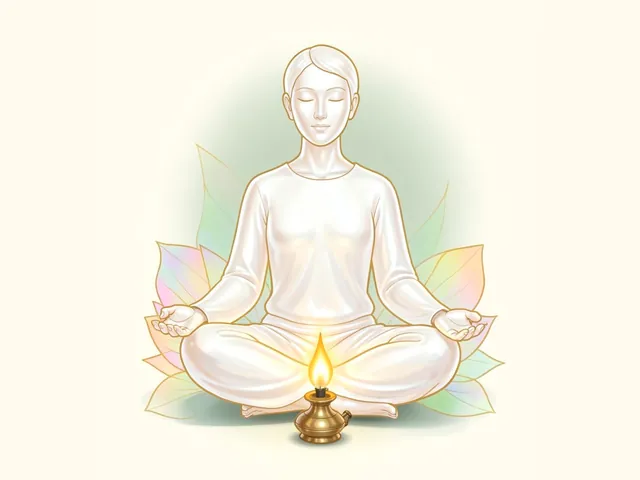
The Bhagavad Gita (a sacred Indian text) speaks about balance in Gita 6.16-17. In simple words, yoga is not for those who eat too much or too little. It also asks for balance in sleep and effort. This fits modern advice well. You do not need a strict diet to eat well, and you can enjoy favourite foods in small amounts [1]. Try the Bhagavad Gita Meditation (Dhyana) to reflect on this idea.
Mindful Eating Habits to Teach
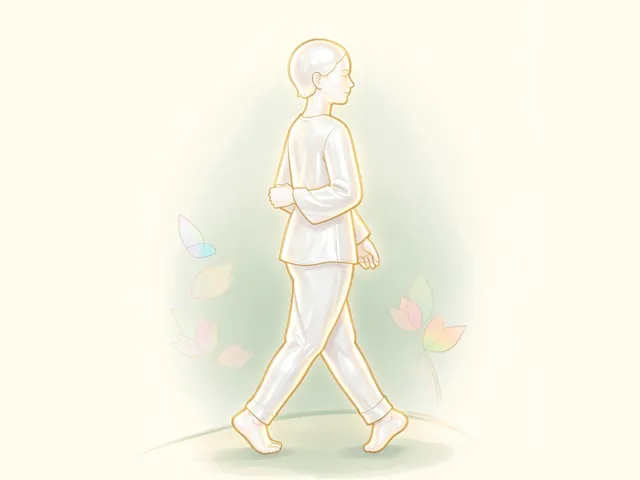
Mindful eating means paying full attention to your meal. Sit down, eat slowly and notice the taste. Before eating, try Box Breathing (Sama Vritti) to settle your body. After a meal, a slow Walking Meditation (Chankramana) can feel pleasant. Eating a good mix of foods may help you get to a healthy body size and keep it there [1]. Be gentle with children and never shame them about food.
Classroom Ideas and Exam Points
Learn these key terms for your exams. Sattvic (calm and pure), rajasic (active and restless) and tamasic (heavy and slow) are the three gunas (qualities of nature). Also learn mitahara (moderate eating). In class, teachers can ask pupils to draw a balanced plate. They can also talk about the link between food, mood and energy [1]. Keep lessons open to all cultures and budgets [1]. If a pupil has a health problem or food allergy, ask a doctor or school nurse for advice.
Try it: simple steps
- Learn the three gunas and one food example for each.
- List the six nutrient groups from memory.
- Draw a balanced yogic plate.
- Write the Gita 6.16-17 idea in one line.
- Practise Box Breathing before a meal.
- Eat one meal slowly and notice each bite.
- Ask a doctor about any special diet needs.
Questions people ask
What is a yogic diet in simple words?
It is a simple way of eating from yoga tradition. It favours fresh, plain, mostly plant-based food. It is a gentle guide, not a cure for any illness.
Do I need a strict diet to follow yoga?
No. You do not need a strict diet to eat well [1]. Balance and moderation matter more than rules.
What is sattvic food?
Sattvic food is fresh, light and simple, such as fruit, vegetables and grains. Yoga tradition links it with a calm mind. Health needs differ, so ask your doctor about your own diet [1].
Is one diet right for every person?
No. There is no single diet that works for everyone [1]. Age, activity and health all matter.
Sources
- MedlinePlus: Nutrition · U.S. National Library of Medicine
Written with AI assistance from the sources above, then checked for copied text and risky health claims. How we write
Practise it here

Related reading
This is general wellness information, not medical advice. Move slowly, never force a pose or a breath, and stop if you feel pain, dizziness or breathlessness. If you are pregnant, have high blood pressure, heart, lung or eye conditions, or recent surgery, ask your doctor before starting.