 Prana Path
Yoga Asanas Images: A Gentle Guide for Beginners
Pictures are a great way to meet yoga. They show you what a pose looks like before you try it. This guide explains how to read yoga asanas (postures) images and use them in a calm, safe way.
This is general wellness information, not medical advice. Read our health disclaimer.
What Yoga Asanas Images Show You
An asana (yoga posture) image shows one pose at one moment. It helps you see where the arms, legs and spine go. Yoga as many people practise it today centres on postures, pranayama (breath practice) and dhyana (meditation) [1]. A picture only covers the first part. The breath and a quiet mind come from practice, not from a photo.
How to Read a Pose Picture
Start at the feet and look up. Check where the feet sit and how the knees bend. Then look at the hips, the spine and the head. Notice where the hands rest. Yoga has many styles, so the same pose can look a little different from one picture to the next [1].
Easy Poses to Look At First
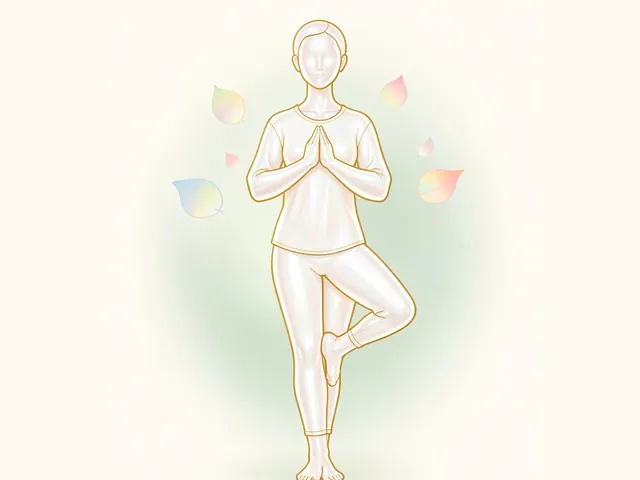
Tree Pose (Vrikshasana) is a good start. You stand on one leg and rest the other foot on your calf or ankle. Keep your hands together at your chest. Studies suggest yoga may help with balance, and this pose lets you notice your own balance [1]. Cobra Pose (Bhujangasana) is another gentle choice. You lie on your belly and lift your chest a little. Keep your elbows bent and your neck long.
Do Not Copy the Picture Exactly
Many photos show very flexible people. Your body is different, and that is fine. Aim for a comfortable shape, not a perfect copy. The Bhagavad Gita (6.16-17) teaches balance: not too much and not too little in eating, sleeping and effort. Research suggests yoga may support healthy habits and better sleep, so a steady and kind routine suits you well [1].
Add Breath and Calm to Each Pose
A pose feels different when you breathe slowly. Try Box Breathing (Sama Vritti) before or after your poses. Breathing techniques are a core part of yoga [1]. A 2020 review looked at 12 studies of healthy adults. Every one found that yoga helped with how stressed people felt [1]. Slow breathing is a simple way to start.
Use Images Safely at Home
Pick clear pictures from trusted teachers. Yoga ranges from gentle to demanding, so begin with a gentle style [1]. Move slowly and stop if you feel pain. Ask a doctor first if you have a health problem, are pregnant, or have an injury. Yoga is for general wellness and does not replace medical care.
Try it: simple steps
- Choose one pose picture and study it for a minute.
- Look at the feet, hips, spine, head and hands.
- Set up a quiet space with a mat or soft rug.
- Move into the pose slowly and use only half the stretch.
- Breathe slowly through your nose for five breaths.
- Come out gently and rest for a moment.
- Stop at once if anything hurts.
Questions people ask
Where can I find yoga asanas images for beginners?
Look for clear photos from trusted yoga teachers or wellness sites. Choose pictures that show the pose from the front and the side. Pick gentle poses first.
Can I learn yoga only from pictures?
Pictures help you see the shape of a pose. They do not show the breath or how it feels. A live class or a good video can add that.
Which yoga pose is easiest for a beginner?
Tree Pose (Vrikshasana) and Cobra Pose (Bhujangasana) are friendly starts. Keep the effort small and stay near a wall for support. Stop if you feel any pain.
Is yoga safe for everyone?
Gentle yoga suits many people, but not all poses suit every body. Talk to a doctor if you have a health problem or an injury. Move slowly and listen to your body.
Sources
- NCCIH: Yoga - Effectiveness and Safety · U.S. National Institutes of Health
Written with AI assistance from the sources above, then checked for copied text and risky health claims. How we write
Practise it here
Related reading
This is general wellness information, not medical advice. Move slowly, never force a pose or a breath, and stop if you feel pain, dizziness or breathlessness. If you are pregnant, have high blood pressure, heart, lung or eye conditions, or recent surgery, ask your doctor before starting.