 Prana Path
Yoga Asanas Images with Names: A Beginner Guide
Looking for yoga asanas images with names? This guide describes each pose in simple words, so you can picture it before you try it. Asanas (yoga poses) are one part of yoga, and you can learn them slowly.
This is general wellness information, not medical advice. Read our health disclaimer.
What are yoga asanas?
Asana (a yoga pose or posture) is the Sanskrit word for the physical side of yoga. Many yoga classes also teach pranayama (breath practice) and dhyana (meditation) [1]. Yoga has many styles. Some are gentle, and some are quite demanding [1]. Beginners can start with the gentle ones. Each pose has an English name and a Sanskrit name, and we list both below.
Standing poses and their names
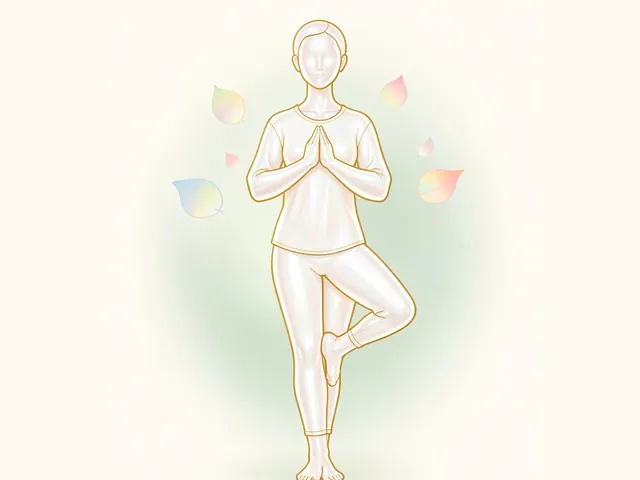
Standing poses build a steady base. In Mountain Pose (Tadasana), you stand tall with feet together and arms by your sides. In Tree Pose (Vrikshasana), you balance on one leg and rest the other foot on your calf or thigh. Try our guide to Tree Pose (Vrikshasana) for step-by-step help. In Warrior II (Virabhadrasana II), you step wide, bend one knee and stretch both arms out. Research suggests yoga may help balance, which is why standing poses are a good place to begin [1].
Floor and seated poses and their names
Many popular poses happen on the mat. In Easy Pose (Sukhasana), you sit cross-legged with a long, tall spine. In Child's Pose (Balasana), you kneel and fold forward, resting your forehead down. In Cat-Cow (Marjaryasana-Bitilasana), you move on hands and knees, arching and rounding your back. In Cobra Pose (Bhujangasana), you lie on your belly and lift your chest gently. Our Cobra Pose (Bhujangasana) page shows how to do it with care. Studies on yoga for stress found helpful effects on how stressed people felt [1].
Resting and forward-bending poses
Rest is part of practice. In Corpse Pose (Savasana), you lie on your back with arms and legs relaxed. In Seated Forward Bend (Paschimottanasana), you sit with legs forward and fold gently over them. In Downward-Facing Dog (Adho Mukha Svanasana), your body forms an upside-down V shape. Researchers say yoga may support better sleep [1]. A calm, slow ending to your session may help you feel ready to rest.
How to learn from pictures safely
Pictures show the final shape, but not the feeling. Move slowly and stop if you feel pain. Use a folded blanket or a wall for support. Studies of yoga are hard to compare, because the styles used differ so much [1]. So keep your own practice gentle and kind. If you have a health problem, an injury or you are pregnant, talk to your doctor first.
Balance and moderation in practice
The Bhagavad Gita (6.16-17) teaches balance. In simple words, it says yoga suits a person who does not overeat or starve, and does not sleep too much or too little. You can bring this idea to your mat. Do not push for the deepest pose. Choose a pace that feels steady. Yoga may help build healthy habits and general wellness, and a gentle routine is easier to keep [1]. Finish with Box Breathing (Sama Vritti) to settle your mind.
Try it: simple steps
- Pick three poses from this guide to start.
- Clear a quiet space and lay down a mat.
- Read the pose description before you move.
- Go slowly into the shape and breathe evenly.
- Stop at once if you feel pain.
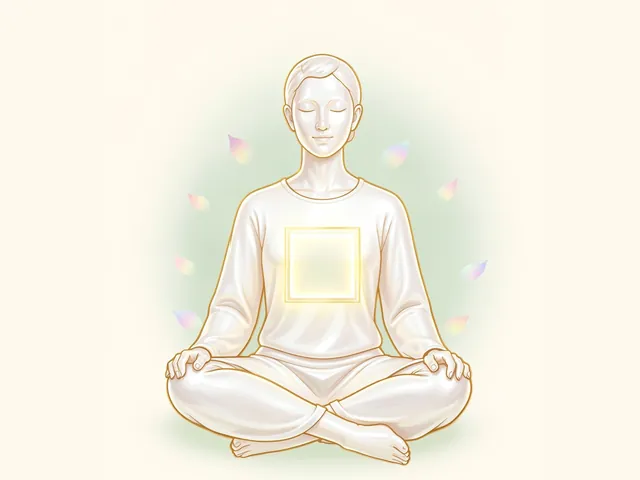
- Finish with Corpse Pose (Savasana) for a few minutes.
- Repeat a few times a week at a gentle pace.
Questions people ask
What are the easiest yoga asanas for beginners?
Mountain Pose, Child's Pose, Easy Pose and Cat-Cow are good first choices. They are simple and gentle. Hold each one for a few calm breaths.
How many yoga asanas are there?
No one number is agreed on, because styles and teachers count poses differently. Most beginners only need a small handful. Learn a few well before adding more.
Can I learn yoga poses from pictures alone?
Pictures help you see the shape, but a teacher can check your form. Start slowly and listen to your body. See a doctor first if you have health worries.
Why do yoga poses have Sanskrit names?
Yoga began in India, and Sanskrit is its traditional language. Many classes use both Sanskrit and English names. Learning both helps you follow any teacher.
Sources
- NCCIH: Yoga - Effectiveness and Safety · U.S. National Institutes of Health
Written with AI assistance from the sources above, then checked for copied text and risky health claims. How we write
Practise it here
Related reading
This is general wellness information, not medical advice. Move slowly, never force a pose or a breath, and stop if you feel pain, dizziness or breathlessness. If you are pregnant, have high blood pressure, heart, lung or eye conditions, or recent surgery, ask your doctor before starting.