 Prana Path
What Is Deja Vu? A Simple, Calming Guide
Have you ever felt you had lived a moment before, even though it was brand new? That odd feeling is called deja vu (a French phrase meaning already seen). This guide explains what it is, who feels it, and how to stay calm.
This is general wellness information, not medical advice. Read our health disclaimer.
What Is Deja Vu?
Deja vu is the feeling that you have already lived through the moment you are in now [1]. It is a trick of memory. You feel a strong sense of remembering, yet you cannot say when or where it happened [1]. The feeling is usually short. Most people simply carry on with their day afterward.
How Common Is Deja Vu?
Deja vu is very common. About two out of three people in surveys say they have felt it at least once [1]. So if it happens to you, you are in good company. It does not mean something is wrong with you.
Who Feels Deja Vu Most?
Some groups report it more often than others. Surveys link it with younger age, more years of schooling, and higher income [1]. People who travel a lot, watch many films, or often remember their dreams also report it more [1]. This is only a pattern in surveys. It does not tell us the cause for any one person.
When to Talk to a Doctor
Occasional deja vu is part of normal life for most people. Researchers have linked very frequent or long-lasting deja vu with some brain and mind conditions [1]. Deja vu can also appear as a warning sign before a seizure in some people [1]. If it happens often, feels scary, or comes with confusion or blackouts, please see a doctor. This page is for general wellness only and cannot diagnose anything.
Staying Calm When It Happens
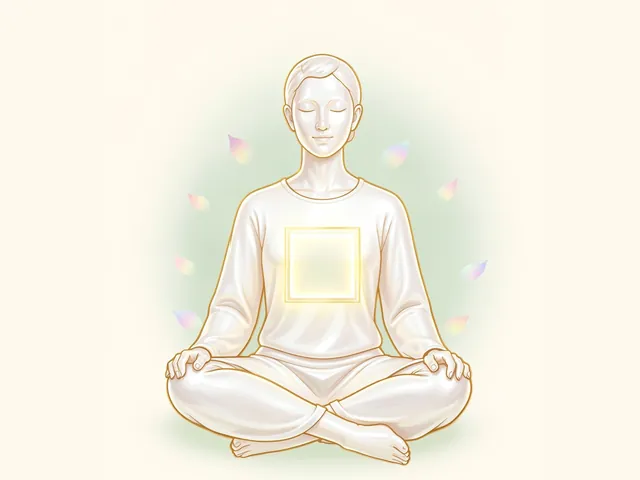
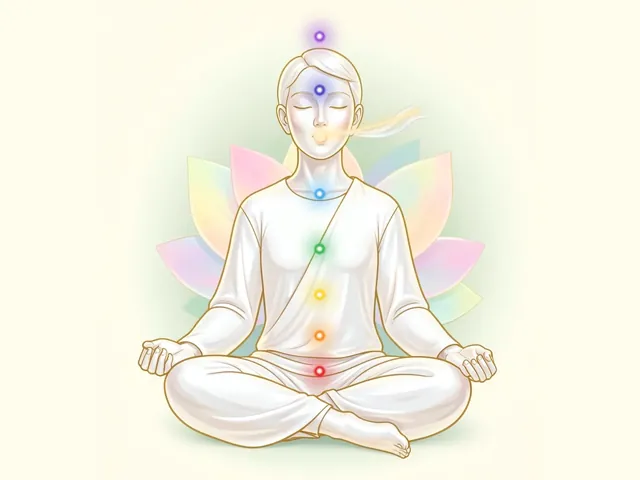
A strange feeling can make the mind race. Slow breathing gives your mind something steady to hold. Try Box Breathing (Sama Vritti), a breath practice with equal counts for in, hold, out, and hold. Bee Breath (Bhramari), a humming breath, can also feel soothing. Move gently and stay patient with yourself, because the feeling usually fades on its own [1].
Balance for a Settled Mind
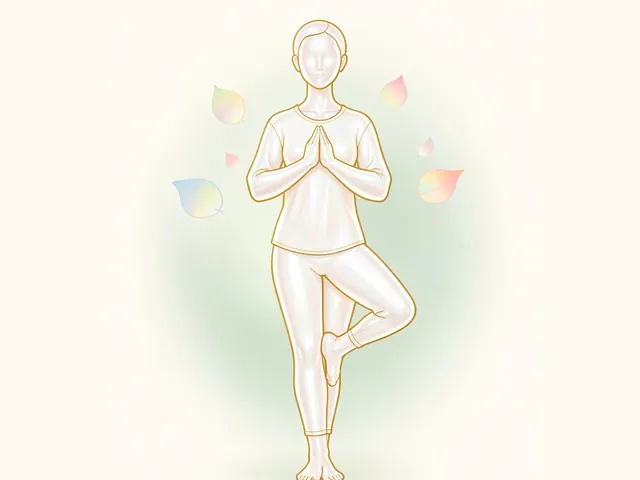
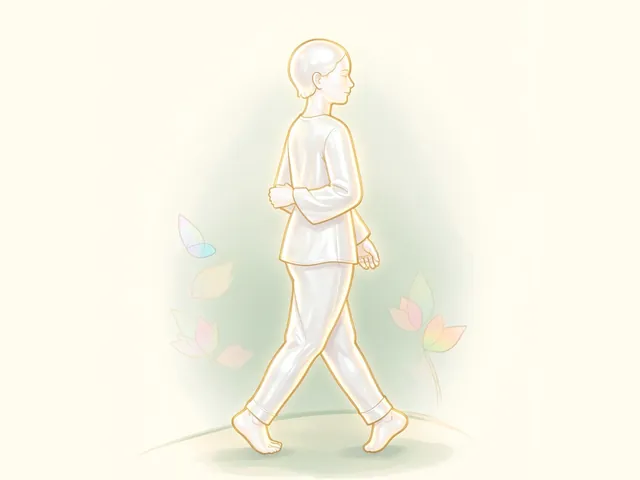
The Bhagavad Gita (an ancient Indian text) speaks of balance. It suggests that moderate eating, rest, effort, and play help a person stay steady. A regular, gentle routine can support a clear mind in the same way. Try Walking Meditation (Chankramana), a slow mindful walk, to bring your attention back to the present moment. Tree Pose (Vrikshasana), a standing balance pose, can also help you feel rooted.
Try it: simple steps
- Pause and take one slow breath in through your nose.
- Name three things you can see around you.
- Try Box Breathing (Sama Vritti) for four rounds.
- Feel your feet on the floor.
- Keep a short note of when it happens.
- Sleep well and rest when you feel tired.
- See a doctor if it happens often or feels worrying.
Questions people ask
Is deja vu normal?
Yes. About two-thirds of people in surveys have felt it at least once [1]. For most people it is a harmless trick of memory.
Why do I feel deja vu?
It is a memory illusion. You feel a strong sense of remembering, but the time and place of the earlier moment are unclear [1]. Experts do not give one simple cause here.
Is deja vu a sign of a health problem?
Usually not. Still, very frequent deja vu has been linked with some brain conditions, and it can come before a seizure in some people [1]. See a doctor if you are worried.
Who gets deja vu the most?
Surveys link it with younger people, frequent travelers, film fans, and people who remember their dreams [1]. Many other people feel it too.
Sources
- Wikipedia: Déjà vu · Wikipedia (background only)
Written with AI assistance from the sources above, then checked for copied text and risky health claims. How we write
Practise it here
Related reading
This is general wellness information, not medical advice. Move slowly, never force a pose or a breath, and stop if you feel pain, dizziness or breathlessness. If you are pregnant, have high blood pressure, heart, lung or eye conditions, or recent surgery, ask your doctor before starting.