 Prana Path
How to Meditate on God's Word: A Gentle Guide
Meditating on God's Word means thinking slowly about a holy text and letting it settle in your heart. You do not need special skills. This guide gives you simple, gentle steps that suit any faith and any beginner.
This is general wellness information, not medical advice. Read our health disclaimer.
What it means to meditate on God's Word
To meditate on God's Word is to read a short passage and stay with it. You do not rush to finish. You let each word sink in. This is different from studying, where you look for facts. Here you simply listen. Many kinds of meditation use a repeated word or phrase to hold the mind steady. That kind of phrase is called a mantra (a repeated word or phrase) [1]. A verse can work in a similar way.
Prepare your body and your space
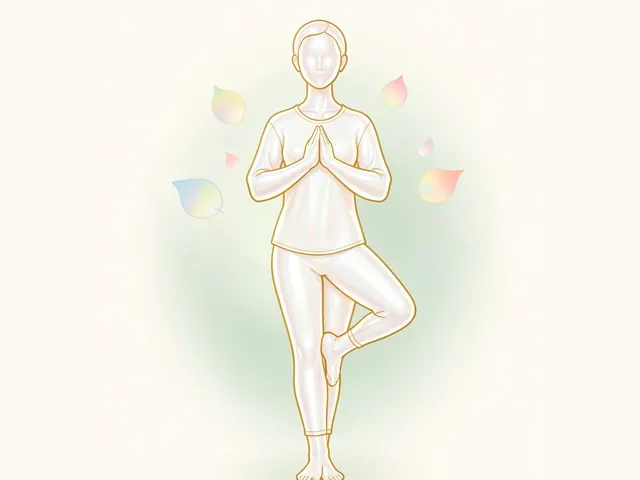
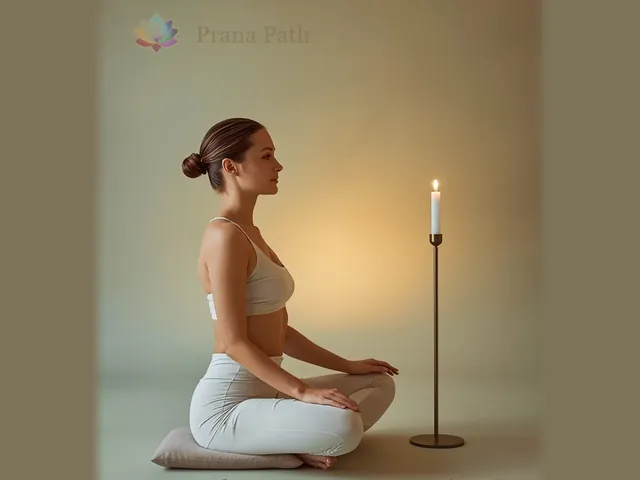
Choose a quiet spot where nobody will disturb you. Sit on a chair or a cushion with your back tall but relaxed. Rest your hands on your lap. Switch off your phone. Some people like to start with gentle movement, such as Tree Pose (Vrikshasana), to feel steady and grounded. Others prefer to simply sit. Many people meditate to relax or ease stress, so a calm space is a good start [1].
Settle your mind with the breath
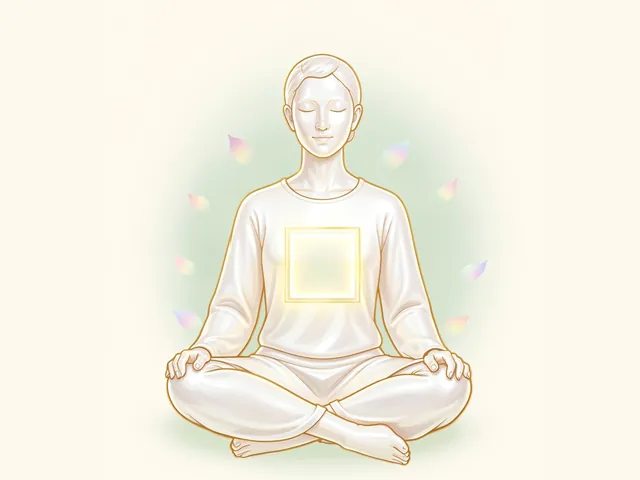
Before you read, slow your breathing for a minute or two. Breathe in through your nose. Breathe out slowly. Focus on the feel of the air. Meditation often rests the mind on one thing, and the breath is a common choice [1]. If you like a clear pattern, try Box Breathing (Sama Vritti), which uses equal counts for each part of the breath. Stop if you feel dizzy, and breathe normally.
Choose one verse and stay with it
Pick one short verse. Do not pick a whole chapter. Read it slowly, two or three times. Then close your eyes and repeat a few key words in your mind. Using a repeated word or phrase is a well-known way to keep the mind focused [1]. Ask yourself a gentle question. What does this verse say to me today? Notice what comes up, then let it go. If your mind wanders, kindly bring it back to the verse [1].
Try it with the Bhagavad Gita
The Bhagavad Gita is a holy text from India. Our Bhagavad Gita Meditation (Dhyana) guide shows how to practise dhyana (meditation) with one verse at a time. The Gita also teaches balance. In chapter 6, verses 16 and 17, it says that yoga suits people who are moderate in eating, sleep, work and rest. So keep your sessions short and kind. Five to ten minutes is enough at first. Regular, gentle practice matters more than long, strained effort. Many people use meditation to relax, so a calm pace fits well [1].
Carry the word into your day
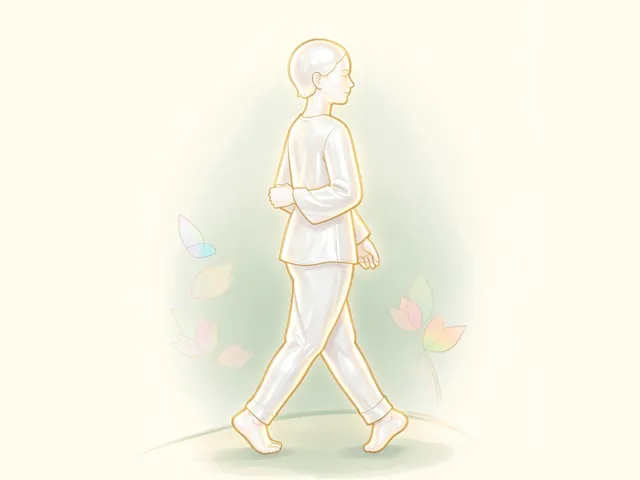
Meditation does not end when you open your eyes. Take your verse with you. Say it quietly as you wash dishes or wait in line. You can also try Walking Meditation (Chankramana), where you repeat the verse in time with slow steps. If your mind feels busy, Trataka (Candle Gazing) can help you practise steady focus on one image, which is another common way to train attention [1]. If you feel unwell or very low, please speak to a doctor or a trusted adviser.
Try it: simple steps
- Find a quiet place and sit comfortably.
- Breathe slowly for one or two minutes.
- Choose one short verse.
- Read it slowly, two or three times.
- Close your eyes and repeat a few key words in your mind.
- When your mind wanders, gently return to the verse.
- Finish with a calm breath and a quiet thank you.
Questions people ask
How long should I meditate on God's Word?
Start with five to ten minutes. Short, regular sessions are easier to keep up than long ones. You can add a few minutes as it feels natural.
Is meditating on God's Word the same as praying?
They are close but not the same. Prayer often means speaking to God. Meditation on God's Word means listening quietly and thinking slowly about a text. Many people enjoy doing both together.
What if my mind keeps wandering?
This is normal for everyone. Notice that your mind has moved, then gently bring it back to the verse. Meditation often means focusing on one thing, such as a word or the breath, so returning is part of the practice [1].
Can I use texts from any faith?
Yes. You can use any holy text that feels meaningful to you, such as a psalm, a verse from the Bhagavad Gita, or another scripture. Choose short passages and read them with respect.
Sources
- NCCIH: Meditation and Mindfulness - Effectiveness and Safety · U.S. National Institutes of Health
Written with AI assistance from the sources above, then checked for copied text and risky health claims. How we write
Practise it here
Related reading
This is general wellness information, not medical advice. Move slowly, never force a pose or a breath, and stop if you feel pain, dizziness or breathlessness. If you are pregnant, have high blood pressure, heart, lung or eye conditions, or recent surgery, ask your doctor before starting.