 Prana Path
How to Meditate Malayalam: A Simple Beginner Guide
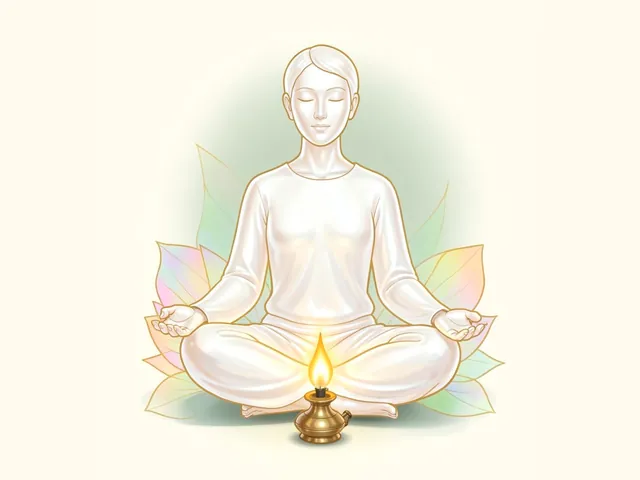
Many people search for how to meditate in Malayalam. They want a calm and simple way to start. Meditation (dhyana, or quiet focus of the mind) is a gentle practice from Indian tradition. This guide uses easy words, so anyone can begin today.
This is general wellness information, not medical advice. Read our health disclaimer.
What Is Meditation in Malayalam?
In Malayalam, meditation is often called dhyanam (quiet focus). The word comes from Sanskrit, the old language of India. Meditation means sitting quietly and giving your mind one simple thing to rest on. This can be your breath, a sound, or a flame. You do not need to stop all thoughts. You only need to notice them and come back gently.
Why People Meditate
A survey summary from the U.S. National Institutes of Health shares why people meditate. Among people who only practiced mindfulness (calm, present attention), about 92 percent said they meditated to relax or reduce stress [1]. Many also said they meditated for general wellness [1]. Meditation is not a cure for any illness. If you have a health problem, please talk to your doctor.
How to Prepare Your Space and Body
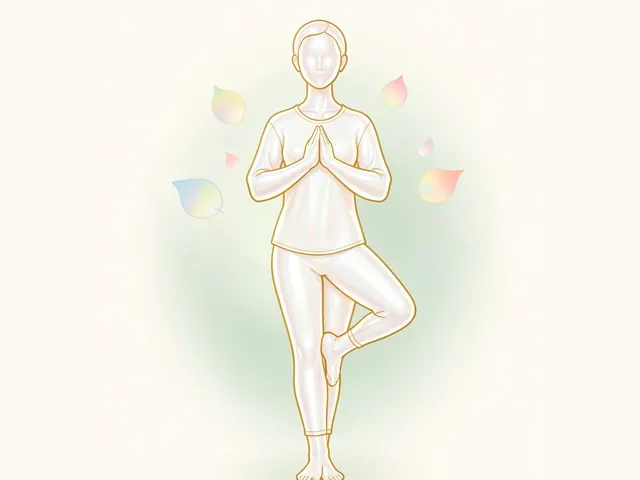
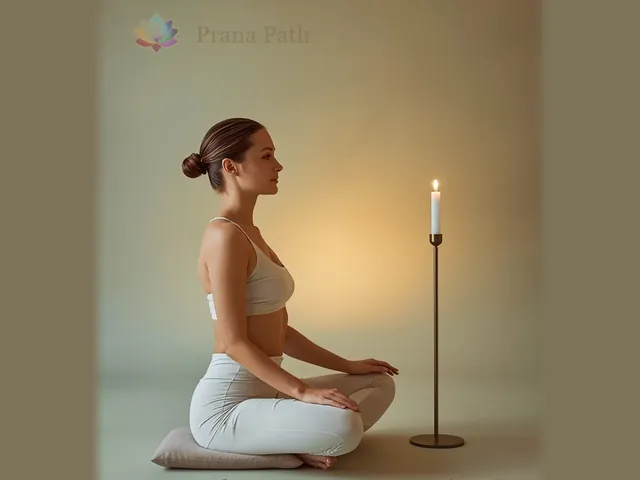
Choose a quiet corner with soft light. Sit on a chair, a cushion, or the floor. Keep your back tall but relaxed. Rest your hands on your knees or lap. Many people find that a short, gentle pose, such as Tree Pose (Vrikshasana), helps the body feel settled before sitting [1]. Practise at a time that suits you, such as early morning or evening.
Simple Breath Meditation for Beginners
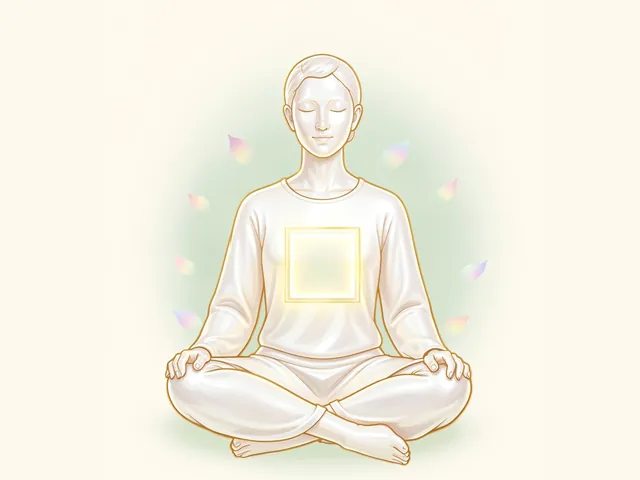
Breath is the easiest place to start. Close your eyes softly and breathe in your usual way. Notice the air moving in and out of your nose. When your mind wanders, bring it back with kindness. If you want a guided breath practice, try Box Breathing (Sama Vritti). Many people use meditation like this to relax and ease daily stress [1].
Other Gentle Ways to Meditate
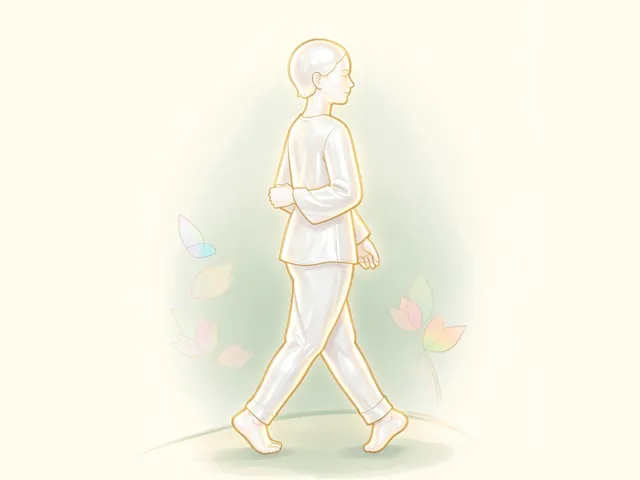
Meditation does not have to be still. Walking Meditation (Chankramana) lets you focus on each slow step. Trataka (Candle Gazing) trains the eyes and mind to rest on one flame. You can also read about Bhagavad Gita Meditation (Dhyana) for a classic Indian view. Try each one and keep the one that feels kind to you. Since many people turn to such practices for calm and wellness, it is fine to explore [1].
Balance and Moderation: A Lesson from the Gita
The Bhagavad Gita (an ancient Indian text) speaks about balance in verses 6.16 and 6.17. It teaches that a steady practice works best when we avoid extremes in eating, sleeping, effort and rest. In simple words, do not push too hard, and do not skip practice. Start with five minutes a day. Add time slowly. People who meditate for stress relief often value this kind of steady, gentle habit [1].
Try it: simple steps
- Find a quiet place and sit comfortably.
- Keep your back tall and your shoulders soft.
- Close your eyes or look down gently.
- Breathe in your usual way.
- Notice the breath at your nose or belly.
- When thoughts come, return to the breath.
- Start with five minutes and end slowly.
Questions people ask
How do I start meditation at home in Malayalam?
Sit quietly for five minutes in a calm spot. Watch your breath and gently bring your mind back when it wanders. You can say the steps in Malayalam or any language you like.
How long should a beginner meditate?
Five to ten minutes a day is enough to begin. Add a little time when it feels easy. Gentle, regular practice is better than long, tiring sessions.
Can meditation cure illness?
No. Meditation is a general wellness practice and not a treatment. Many people use it to feel relaxed [1]. See a doctor for any health problem.
Sources
- NCCIH: Meditation and Mindfulness - Effectiveness and Safety · U.S. National Institutes of Health
Written with AI assistance from the sources above, then checked for copied text and risky health claims. How we write
Practise it here
Related reading
This is general wellness information, not medical advice. Move slowly, never force a pose or a breath, and stop if you feel pain, dizziness or breathlessness. If you are pregnant, have high blood pressure, heart, lung or eye conditions, or recent surgery, ask your doctor before starting.