 Prana Path
Stress Relief Techniques for Students
School can feel busy and heavy. Tests, homework and friends all ask for your time. These simple stress relief techniques for students take only a few minutes and need no special tools.
This is general wellness information, not medical advice. Read our health disclaimer.
What Stress Does to Your Body
Stress is how your brain and body react to a challenge. Your body releases hormones (chemical messengers) that make you alert and ready to act [2]. These hormones can raise your heart rate and blood pressure [2]. A little stress can help you finish work on time [2]. Stress that lasts for weeks or months can harm your health [2]. Learning to calm down is a useful skill.
Why Relaxation Techniques Help
Relaxation techniques are simple practices that wake up the body's relaxation response [1]. This response brings slower breathing, lower blood pressure and a calmer heart rate [1]. It works as the opposite of the stress response [1]. You can practise it at your desk, on your bed or on the bus. Short practice each day works better than one long session once a month.
Calm Your Breath First
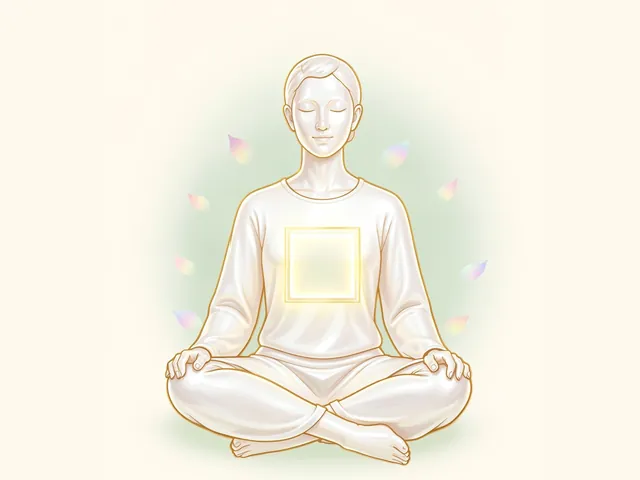
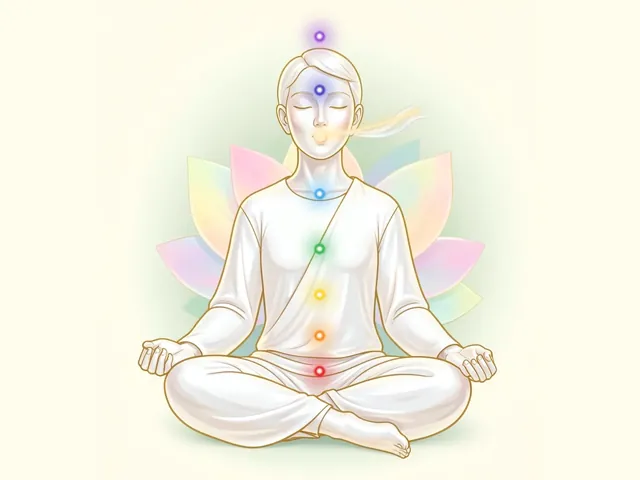
Your breath is the quickest tool you carry with you. Slow breathing is one way to call up the relaxation response [1]. Try Box Breathing (Sama Vritti), which means breathing in, pausing, breathing out and pausing for equal counts. If you feel restless, try Bee Breath (Bhramari). You hum softly on the out-breath, like a bee. Stop and breathe normally if you feel dizzy.
Move Gently and Stay Present
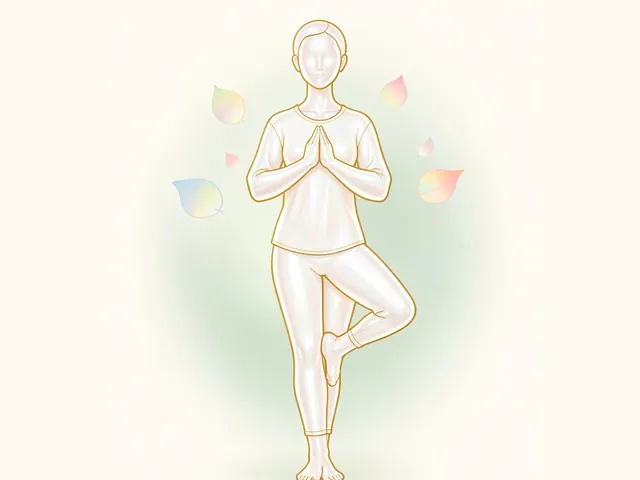
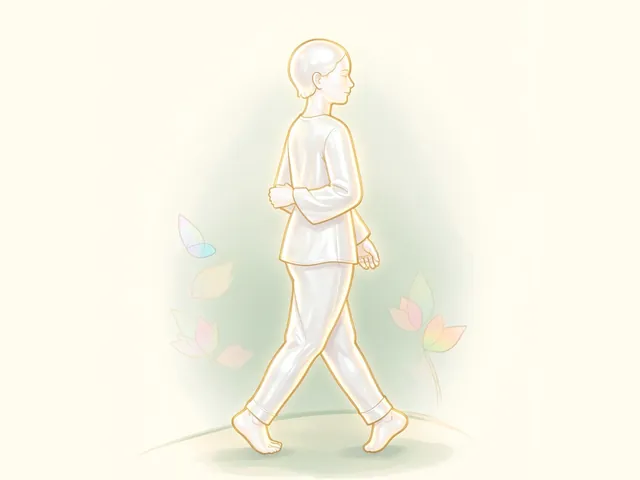
Yoga is one of the practices listed among relaxation techniques [1]. You do not need to be flexible. Tree Pose (Vrikshasana) helps you focus on balance, so your busy mind has less room to worry. Cobra Pose (Bhujangasana) gently opens the chest after hours of sitting and reading. Walking Meditation (Chankramana) is another easy choice. You walk slowly and notice each step. Skip any pose that hurts.
Quiet the Mind Before Exams
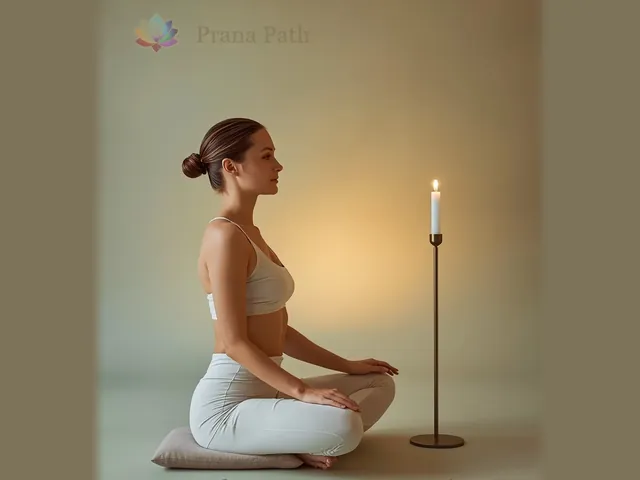
Meditation is also listed as a relaxation practice [1]. Start with just three minutes. Sit comfortably and notice your breath. When your mind wanders, bring it back kindly. Trataka (Candle Gazing) gives your eyes one calm thing to rest on. Do this in a safe, quiet place and never leave a flame alone.
Find Balance, Like the Gita Teaches
The Bhagavad Gita (an ancient Indian text) teaches balance in verses 6.16 and 6.17. In simple words, it says not to do too much or too little of anything. That includes eating, sleeping, working and resting. For students, this means study with care, but also sleep well and take breaks. Long-term stress often comes from daily pressure that never stops [2]. Regular rest gives your body a chance to recover. If stress feels too big, talk to a trusted adult or a doctor.
Try it: simple steps
- Stop what you are doing and sit comfortably.
- Relax your shoulders and unclench your jaw.
- Try Box Breathing for one minute.
- Stand up and do Tree Pose for a few breaths on each side.
- Take a slow walk and notice your steps.
- Write down one small task to do next.
- Go to bed at a regular time.
Questions people ask
What is the fastest way to relieve stress before an exam?
Slow breathing is quick and needs no equipment. It can help bring on the body's relaxation response [1]. Try one or two minutes of Box Breathing before you walk in.
Is some stress good for students?
Yes. A small amount of short-term stress can help you meet a school deadline [2]. It becomes a problem when it lasts a long time [2].
How often should I practise relaxation techniques?
A few minutes each day is a good start. Pick a regular time, such as after school or before bed. Small habits are easier to keep.
When should I see a doctor about stress?
Speak to a doctor or a trusted adult if stress stops you sleeping, eating or enjoying life. These techniques are for general wellness. They do not replace medical care.
Sources
- NCCIH: Relaxation Techniques · U.S. National Institutes of Health
- MedlinePlus: Stress · U.S. National Library of Medicine
Written with AI assistance from the sources above, then checked for copied text and risky health claims. How we write
Practise it here
Related reading
This is general wellness information, not medical advice. Move slowly, never force a pose or a breath, and stop if you feel pain, dizziness or breathlessness. If you are pregnant, have high blood pressure, heart, lung or eye conditions, or recent surgery, ask your doctor before starting.