 Prana Path
How to Do Sheetali Pranayama: Cooling Breath Guide
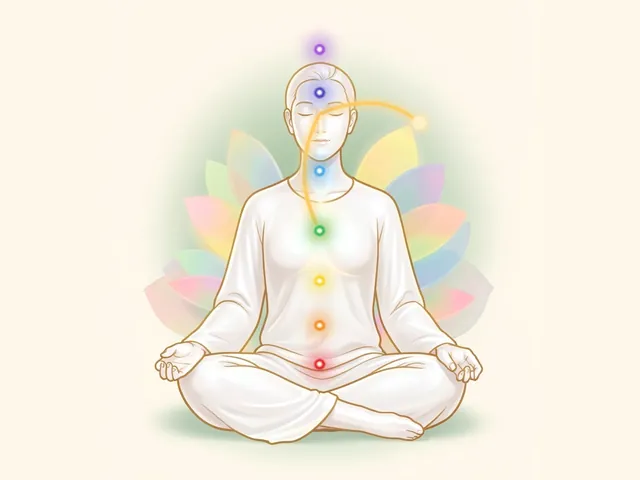
Sheetali pranayama (cooling breath practice) is a gentle breathing exercise from the yoga tradition. You breathe in through a curled tongue and out through the nose. This guide shows you each step, plus tips and safety notes.
This is general wellness information, not medical advice. Read our health disclaimer.
What Is Sheetali Pranayama?
Sheetali comes from a Sanskrit word that means cooling. Pranayama (breath practice) is the part of yoga that shapes the breath. In this exercise, you breathe in through a rolled tongue. Many people find the air feels cool and fresh. Slow, steady breathing is also part of the body's relaxation response, which is the opposite of the stress response [1].
Before You Begin
Choose a quiet spot where you will not be disturbed. Sit on a chair or on the floor with a tall, easy spine. Rest your hands on your knees. Relax your shoulders and soften your face. Relaxation practices like this aim to slow the breath and calm the body [1]. Wear loose clothes, and do not practise on a very full stomach.
How to Do Sheetali Pranayama Step by Step
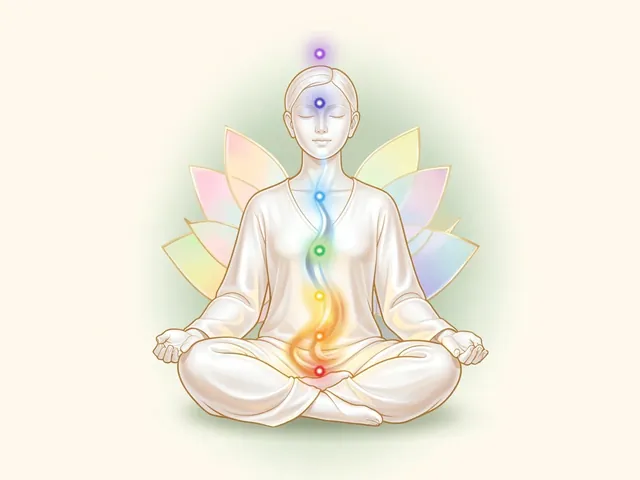
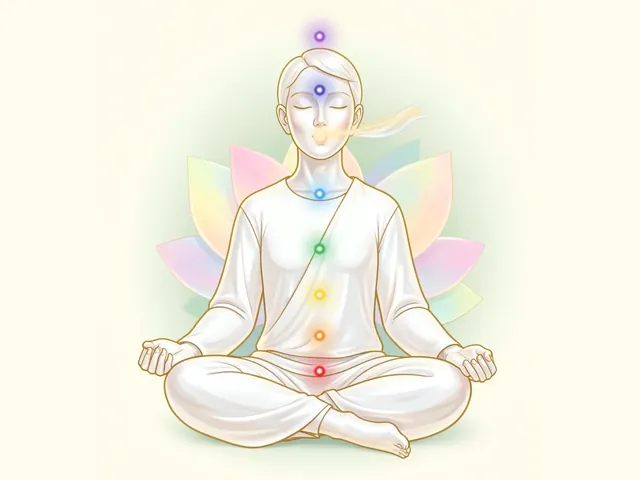
Start by closing your eyes and breathing normally for a few breaths. Then stick your tongue out a little and curl its sides upward, like a tube. Breathe in slowly through the tube and feel the air cross your tongue. Draw your tongue back, close your mouth and breathe out slowly through your nose. Slow breathing is one sign of the relaxation response, so keep every breath unhurried [1]. The steps below give the full order.
If You Cannot Curl Your Tongue
Some people cannot roll their tongue. This is common, and it is nothing to worry about. You can try sheetkari (the hissing breath) instead. Gently press your top and bottom teeth together, part your lips, and breathe in through the gaps. Then close your mouth and breathe out through your nose. This version follows the same slow rhythm that relaxation practices use [1].
How Long to Practise and Safety Tips
Begin with five to eight rounds and rest between them. Add a few rounds over time, only if it feels easy. Stop if you feel dizzy, cold or uncomfortable, and return to normal breathing. Slow breathing is just one way to ease stress, and it works best as a gentle habit [1]. If you have a health problem, or are pregnant, talk to your doctor before you begin.
Balance and Pairing With Other Practices
The Bhagavad Gita (Hindu spiritual poem) teaches balance. In verses 6.16 and 6.17, it says yoga suits those who are moderate in eating, rest, work and play. Apply this to your breath: never force it, and never overdo it. Relaxation techniques come in many forms, so choose what suits you [1]. After sheetali, try Bee Breath (Bhramari) or Alternate Nostril Breathing (Nadi Shodhana) for a calm finish.
Try it: simple steps
- Sit comfortably with a tall spine and relaxed shoulders.
- Close your eyes and take a few normal breaths.
- Stick out your tongue a little and curl its sides into a tube.
- Breathe in slowly through the tube.
- Draw your tongue back and close your mouth.
- Breathe out slowly through your nose.
- Repeat for five to eight rounds, then breathe normally.
Questions people ask
When is the best time to do sheetali pranayama?
Many people practise it in the morning or on a warm day. Choose a time when your stomach is not full. Stay relaxed and breathe slowly [1].
What if I cannot roll my tongue for sheetali?
Try sheetkari (the hissing breath) instead. Breathe in through your gently closed teeth, then breathe out through your nose. It follows the same slow, calm rhythm [1].
How many rounds of sheetali pranayama should a beginner do?
Start with five to eight slow rounds. Rest if you feel tired or dizzy. Slow breathing should feel easy, never strained [1].
Is sheetali pranayama safe for everyone?
It is gentle, but it does not suit everyone. If you have a health condition or are pregnant, ask your doctor first. Stop if you feel unwell [1].
Sources
- NCCIH: Relaxation Techniques · U.S. National Institutes of Health
Written with AI assistance from the sources above, then checked for copied text and risky health claims. How we write
Practise it here
Related reading
This is general wellness information, not medical advice. Move slowly, never force a pose or a breath, and stop if you feel pain, dizziness or breathlessness. If you are pregnant, have high blood pressure, heart, lung or eye conditions, or recent surgery, ask your doctor before starting.