 Prana Path
Daily Exercise for Belly Fat: A Gentle Plan
Many people search for daily exercise for belly fat. This page offers a calm, simple plan. It joins gentle movement, slow breathing and kind food habits. It is general wellness advice, not medical care.
This is general wellness information, not medical advice. Read our health disclaimer.
Start with a gentle mindset
Belly fat worries many people. A harsh plan often feels hard to keep. A small daily habit is easier to repeat. Food matters too, because fat is a nutrient that gives your body energy [1]. Please see a doctor if you have a health problem or worry about your weight.
Walk every day
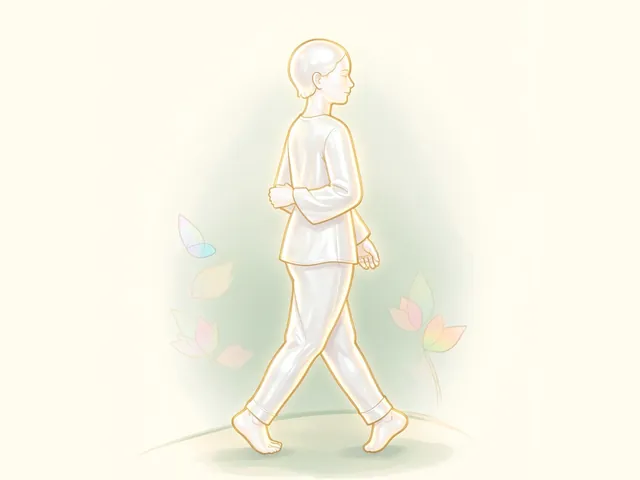
Walking is the easiest place to begin. Start with ten minutes and add time slowly. Chankramana (walking meditation) turns a walk into a calm practice. Walk slowly and feel each step. Remember that food counts as well. Fat holds twice as many calories as protein or carbohydrates, so portions matter [1].
Add easy yoga for your core
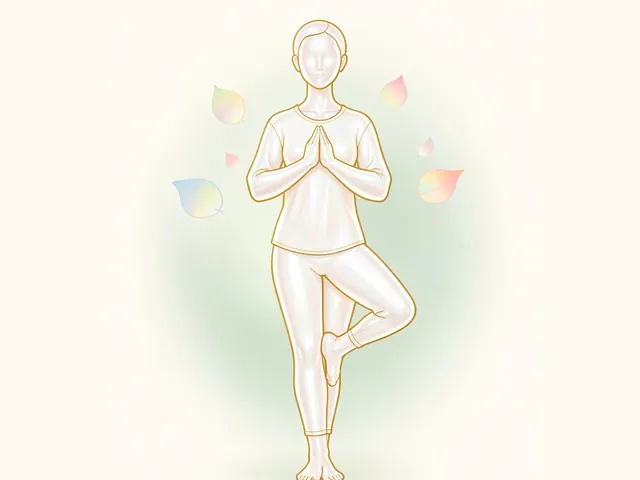
Gentle yoga helps you move and stand with care. Bhujangasana (cobra pose) lifts the chest while you lie on your ttummy. Vrikshasana (tree pose) asks you to balance on one leg. Both poses help you notice your middle. Move slowly and stop if anything hurts. Pair your practice with food choices, since some fats are better than others [1].
Use slow breathing to stay calm
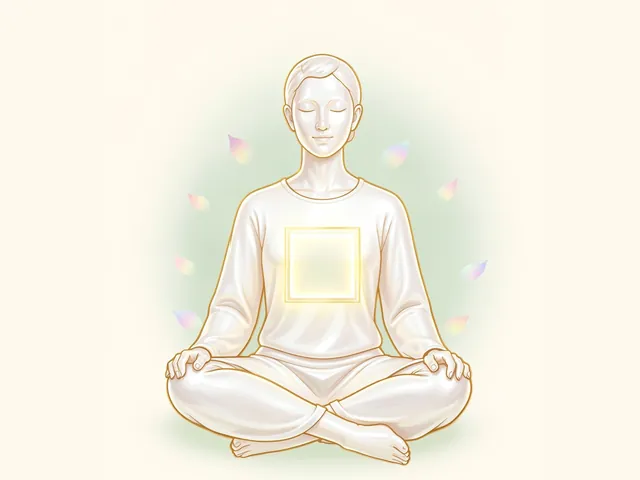
A calm mind makes healthy choices easier. Try Sama Vritti (box breathing, which means equal breaths). Breathe in for four counts. Hold for four. Breathe out for four. Pause for four. Do this for a few minutes before meals or after your walk. Remember that fat gives you energy and helps your body take in vitamins, so you do need some [1].
Look at the fats on your plate
Exercise works best with kind food habits. Try to eat less saturated fat, such as butter, solid shortening and lard [1]. Trans fats are found in some margarines, crackers, cookies and snack foods [1]. You can swap them for oils such as olive, canola, sesame or sunflower [1]. Too much fat of any kind adds extra weight [1].
Find balance, as the Gita teaches
The Bhagavad Gita (an ancient Indian text) speaks of moderation in verses 6.16 and 6.17. It says a steady life avoids too much and too little in eating, sleeping and effort. Apply this to your plan. Do not starve yourself, and do not overdo exercise. Fat is a needed nutrient, and the goal is the right amount, not none [1].
Try it: simple steps
- Walk slowly for ten minutes after a meal.
- Try Cobra Pose for three slow breaths.
- Practise Tree Pose for 30 seconds on each leg.
- Do Box Breathing for two minutes.
- Swap one fried snack for fruit or nuts.
- Keep a regular sleep time.
- Ask your doctor before you start anything new.
Questions people ask
What is the best daily exercise for belly fat?
There is no single best exercise. A daily walk and gentle yoga are simple places to begin. Choose something you enjoy and can repeat. Ask a doctor if you have health concerns.
Do I need to cut out all fat from my food?
No. Your body needs some fat for energy and to absorb vitamins [1]. Try to eat less saturated fat and trans fats [1]. Replace them with oils such as olive or canola [1].
Can breathing practice help with my belly?
Slow breathing can help you feel calm, and that may make healthy choices easier. It is not a cure or a quick fix. Try Box Breathing or Bee Breath (Bhramari, a humming breath) each day.
How long should I exercise each day?
Start small, with about ten minutes. Add time slowly as you feel ready. Rest when you are tired. A doctor can give advice that fits your own body.
Sources
- MedlinePlus: Dietary Fats · U.S. National Library of Medicine
Written with AI assistance from the sources above, then checked for copied text and risky health claims. How we write
Practise it here

Related reading
This is general wellness information, not medical advice. Move slowly, never force a pose or a breath, and stop if you feel pain, dizziness or breathlessness. If you are pregnant, have high blood pressure, heart, lung or eye conditions, or recent surgery, ask your doctor before starting.