 Prana Path
Stretching Routine for Beginners: A Gentle Guide
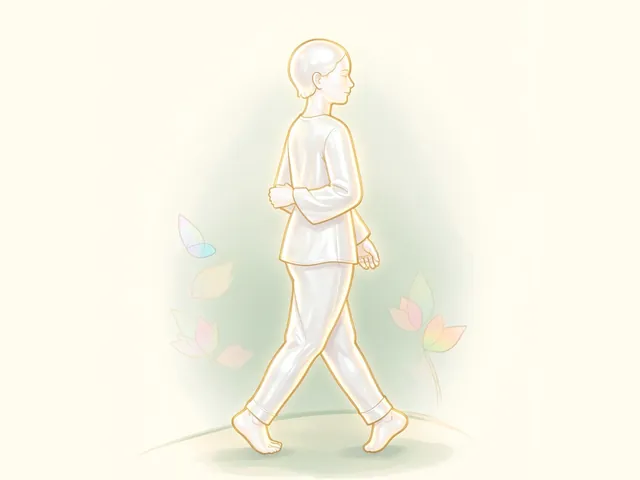
Stretching is a good way to start moving. You do not need special gear or a lot of time. This guide gives you a calm, simple routine for beginners.
This is general wellness information, not medical advice. Read our health disclaimer.
Why a stretching routine helps beginners
A short routine gives you a plan, so you do not have to guess each day. Research on yoga found it worked as well as stretching and strengthening exercises for everyday fitness [1]. That means gentle stretching is a fair place to begin. Think of it as a friendly habit, not a test. Go slowly and enjoy it.
Get ready before you stretch
Pick a quiet spot with a little space. Wear clothes that let you move. Walk around the room for a few minutes first to warm up. A few slow breaths help you settle. Research links gentle movement like yoga with better everyday fitness [1], so a calm start is worth the time.
A simple head-to-toe routine
Start at the neck and work down. Roll your shoulders back, then gently tilt your head side to side. Next, reach your arms overhead and lean a little to each side. Then fold forward with soft knees, and stretch your calves and thighs. Studies that compare yoga with stretching and strengthening show both can help everyday fitness [1]. Hold each stretch for a few slow breaths.
Add two gentle yoga moves
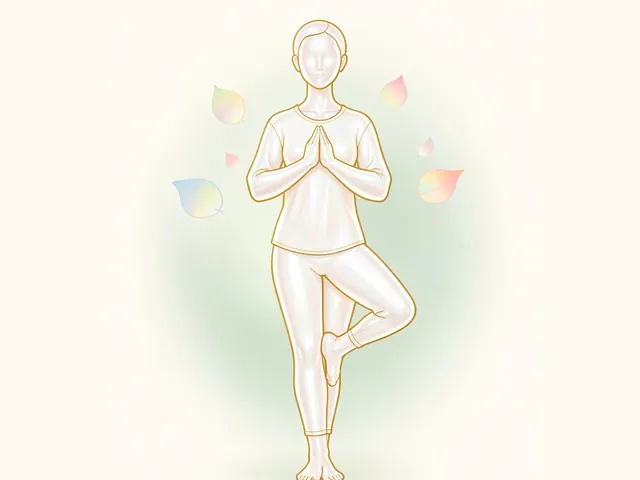
Yoga and stretching often overlap. Try Cobra Pose (Bhujangasana), a soft back bend that opens the chest. Lie on your belly, place your hands near your shoulders, and lift only a little. Then try Tree Pose (Vrikshasana), a balance on one leg. Rest your foot on your calf or ankle, never on your knee. Yoga has been shown to match stretching and strengthening exercises for fitness [1].
Breathe as you stretch
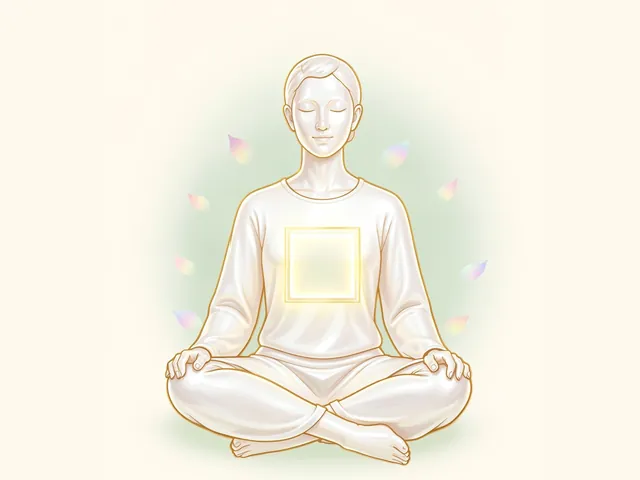
Slow breathing makes a stretch feel kinder. Try Box Breathing (Sama Vritti), where you breathe in, pause, breathe out and pause for equal counts. This is a form of pranayama (breath practice). Breathe out as you ease deeper into a stretch. Pairing breath with movement is part of yoga, which research shows can support everyday fitness [1].
Balance and moderation: a lesson from the Gita
The Bhagavad Gita (an ancient Indian text) speaks of balance in verses 6.16-17. In simple words, it says too much or too little effort, food or rest does not help. Choose a middle path. For stretching, this means gentle effort and regular rest. Stretch a few days a week, stop if you feel pain, and see a doctor about any health worry. Balanced movement like yoga can support fitness [1].
Try it: simple steps
- Walk around for two to three minutes to warm up.
- Roll your shoulders back and tilt your head side to side.
- Reach both arms overhead and lean gently to each side.
- Fold forward with soft knees and let your arms hang.
- Lie on your belly and try a small Cobra Pose (Bhujangasana).
- Stand and try Tree Pose (Vrikshasana), holding a wall if needed.
- Finish with a few slow breaths and rest.
Questions people ask
How long should a beginner stretching routine take?
Five to ten minutes is plenty to start. Add time only when you feel ready. Short, regular sessions suit most beginners.
How long should I hold each stretch?
Hold each stretch for a few slow breaths. You should feel a mild pull, never sharp pain. If it hurts, ease off or stop.
Is yoga as good as stretching for fitness?
One study found yoga worked as well as stretching and strengthening exercises for everyday fitness [1]. Both are good choices. Pick the one you enjoy and will keep doing.
Should I see a doctor before I start stretching?
If you have pain, an injury or a health condition, ask your doctor first. Stretching is gentle, but every body is different. Always go at your own pace.
Sources
- NCCIH: Yoga - Effectiveness and Safety · U.S. National Institutes of Health
Written with AI assistance from the sources above, then checked for copied text and risky health claims. How we write
Practise it here
Related reading
This is general wellness information, not medical advice. Move slowly, never force a pose or a breath, and stop if you feel pain, dizziness or breathlessness. If you are pregnant, have high blood pressure, heart, lung or eye conditions, or recent surgery, ask your doctor before starting.