 Prana Path
Breathing Technique for Sternum X Ray: Gentle Guide
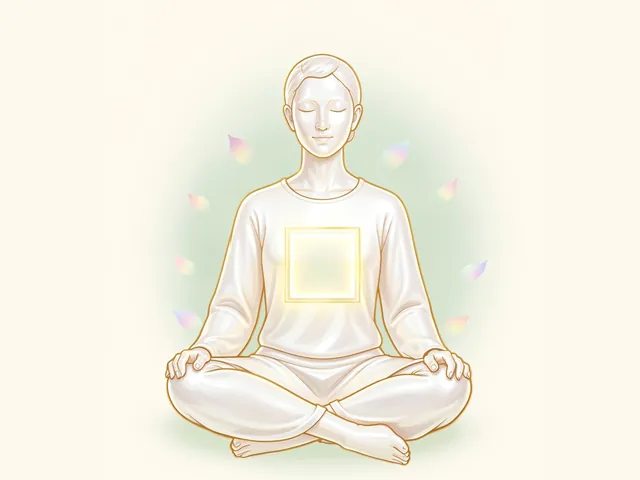
A sternum x ray looks at the flat bone in the middle of your chest. Many people feel nervous before any scan. Calm, slow breathing can help you feel steadier, and this guide shows you how.
This is general wellness information, not medical advice. Read our health disclaimer.
Why breathing matters before an x ray
Your breath and your body talk to each other. Slow breathing is one way to invite the body's relaxation response (a calm state). This state brings slower breathing, lower blood pressure and a slower heart rate [1]. A calmer body often finds it easier to stay still. Gentle breathing will not change your scan. It may simply help you feel more at ease.
Follow your care team first
The radiographer (the person who takes the x ray) will tell you exactly how to breathe. They may ask you to take a breath in and hold it for a moment. Some scans ask you to breathe out instead. Always follow their words, not this article. Slow breathing practice is a relaxation tool, and it is meant to support you, not replace their guidance [1]. If you have pain, breathing trouble or any worry, tell your doctor.
Practise slow belly breathing at home
Diaphragmatic breathing (slow breathing that moves the belly) is a simple way to relax [1]. Sit or lie down in a comfortable place. Place one hand on your belly. Breathe in gently through your nose and feel your belly rise. Breathe out slowly and feel it soften. Try this for a few minutes each day, so it feels familiar on the day of your scan.
Try Box Breathing before you go in
Box Breathing (Sama Vritti) uses even counts for each part of the breath. Breathe in for four counts, pause for four, breathe out for four, and pause for four. Keep each count gentle, and never strain. If holding feels hard, skip the pauses and just breathe slowly. Like other breathing exercises, this is a way to relax the body [1]. You can also hum softly with Bee Breath (Bhramari), a humming breath practice, while you wait.
Stay relaxed in the waiting room
Waiting can feel long. Let your shoulders drop and unclench your jaw. Relax each part of your body in turn, such as your hands, arms and legs. This is like progressive relaxation (tensing a muscle, then letting it go), which is another well-known way to relax [1]. Then return to slow breathing. Keep your breath soft, not forced.
Balance and moderation in your breath
The Bhagavad Gita (an ancient Indian text) teaches balance in daily life. In verses 6.16 and 6.17, it says that steady habits, not extremes, bring calm. You can bring the same idea to your breath. Do not breathe too hard or hold too long. Choose an easy, even rhythm that feels kind to your body. Calm, relaxed breathing is a simple tool many people use to unwind [1].
Try it: simple steps
- Ask your radiographer how they want you to breathe.
- Sit comfortably and relax your shoulders.
- Place one hand on your belly.
- Breathe in gently through your nose.
- Breathe out slowly and let your belly soften.
- Try Box Breathing with four easy counts.
- Return to soft, slow breathing if you feel tense.
Questions people ask
What is the best breathing technique for a sternum x ray?
Your radiographer will tell you how to breathe, so follow their words. Before the scan, slow belly breathing can help you feel calm [1]. Never hold your breath longer than they ask.
Can breathing exercises make me feel less nervous before a scan?
Slow breathing is a known relaxation technique, and it can help the body settle [1]. It may not remove all worry. Tell your care team how you feel.
Should I hold my breath during a sternum x ray?
Only if the radiographer asks you to. They will tell you when to breathe in, hold or breathe out. If you feel dizzy or unwell, say so right away.
How long should I practise before my appointment?
A few minutes each day is enough. Short, gentle practice helps the breath feel familiar [1]. Stop if you feel light-headed and speak with your doctor.
Sources
- NCCIH: Relaxation Techniques · U.S. National Institutes of Health
Written with AI assistance from the sources above, then checked for copied text and risky health claims. How we write
Practise it here
Related reading
This is general wellness information, not medical advice. Move slowly, never force a pose or a breath, and stop if you feel pain, dizziness or breathlessness. If you are pregnant, have high blood pressure, heart, lung or eye conditions, or recent surgery, ask your doctor before starting.