 Prana Path
Yoga Asanas for Height Increase: What Really Helps
Many people search for yoga asanas (yoga poses) that make them taller. The honest answer is simple. Yoga cannot promise extra height, but it can help you stand tall and feel well. This guide shows gentle poses and healthy habits for beginners.
This is general wellness information, not medical advice. Read our health disclaimer.
Can Yoga Really Increase Height?
Height depends mostly on your genes, your growth years and your general health. No pose is proven to make bones longer. Be careful of any website that promises extra inches. Yoga is best seen as a wellness practice, not a growth treatment. Research suggests it may support stress relief, sleep, balance and good health habits [1].
Why Posture Makes You Look Taller
Slouching can make you look shorter than you are. Standing with a long spine can show your full height. Yoga asanas (poses) teach you to notice how you sit and stand. Better body awareness may come with better balance, which research links to regular yoga practice [1]. Small changes in daily habits often matter more than one special pose.
Gentle Poses for Standing Tall
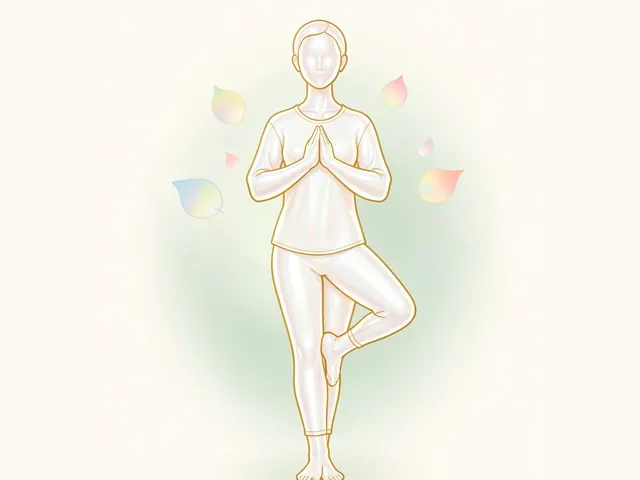
Start with Tadasana (Mountain Pose). Stand with feet hip-width apart and let your arms hang loose. Lift the top of your head toward the ceiling and relax your shoulders. Then try Tree Pose (Vrikshasana) to build balance and focus. Balance is one area where studies have found possible benefits from yoga [1]. Hold each pose for a few calm breaths.
Poses to Stretch and Open the Back
Cobra Pose (Bhujangasana) gently opens the chest and wakes up the back. Lie on your belly, place your hands under your shoulders and lift slowly. Keep your neck long and stop if you feel pain. Balasana (Child's Pose) is a restful stretch for the back afterwards. Yoga styles range from gentle to demanding, so pick a soft style first [1].
Sleep, Stress and Healthy Habits
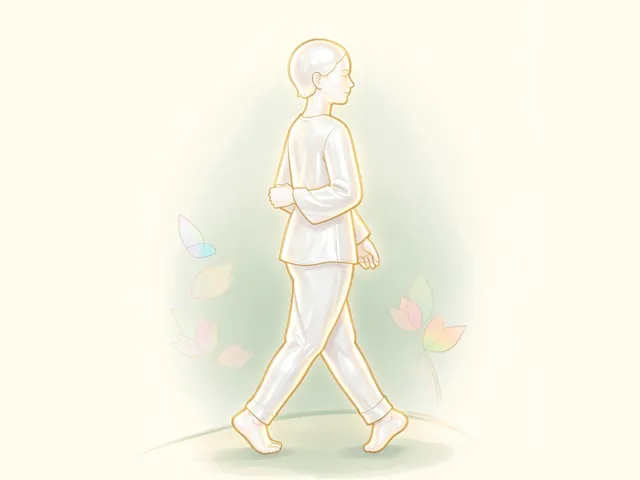
Good sleep, balanced meals and daily movement support a growing body. Yoga may help you manage stress and sleep better [1]. Try pranayama (breath practice) in the evening to settle your mind. Walking Meditation (Chankramana) is another easy way to move and relax. Studies suggest yoga can also encourage healthy eating and activity habits [1].
Balance and Moderation: A Lesson from the Gita
The Bhagavad Gita (a sacred Indian text) teaches balance in verses 6.16 and 6.17. It says yoga suits people who are moderate in eating, resting, work and play. Push too hard and you may hurt yourself. Do nothing and you gain little. A short, steady practice each day fits this advice well [1]. If you worry about your growth, please talk to a doctor.
Try it: simple steps
- Stand in Tadasana (Mountain Pose) for five slow breaths.
- Lift your arms overhead and stretch up gently.
- Practise Tree Pose (Vrikshasana) for five breaths on each side.
- Lie down and rise into Cobra Pose (Bhujangasana) for three breaths.
- Rest in Balasana (Child's Pose) for one minute.
- Finish with slow, easy breathing for two minutes.
- Practise most days, and stop if anything hurts.
Questions people ask
Can yoga increase height after 18?
There is no proof that yoga makes adults taller. Yoga may help you stand straighter and feel better. If you worry about growth, ask a doctor.
Which yoga asana is best for height?
No single pose adds height. Mountain Pose, Tree Pose and Cobra Pose can support good posture and balance. Gentle, regular practice is the wise choice [1].
How long should I practise yoga each day?
Ten to twenty minutes is a good start for beginners. Go slowly and listen to your body. Build up only when poses feel easy.
Is yoga safe for children and teens?
Gentle yoga is usually fine, but a trusted teacher should guide it. Avoid forcing any stretch. Check with a doctor first if there is a health concern [1].
Sources
- NCCIH: Yoga - Effectiveness and Safety · U.S. National Institutes of Health
Written with AI assistance from the sources above, then checked for copied text and risky health claims. How we write
Practise it here
Related reading
This is general wellness information, not medical advice. Move slowly, never force a pose or a breath, and stop if you feel pain, dizziness or breathlessness. If you are pregnant, have high blood pressure, heart, lung or eye conditions, or recent surgery, ask your doctor before starting.