 Prana Path
Yoga Asanas Drawing: Easy Guide for Beginners
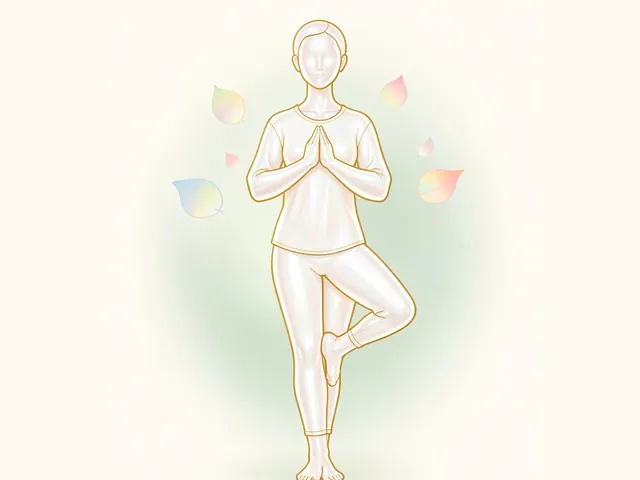
Yoga asanas (postures) are fun and calming to draw. You do not need art skills to start. This guide shows simple shapes, easy steps and gentle tips for beginners.
This is general wellness information, not medical advice. Read our health disclaimer.
Why Draw Yoga Asanas?
Asanas (yoga postures) are one part of yoga. Breathing practice and meditation are the other main parts [1]. Drawing a pose makes you look closely at how the body is placed. You notice the line of the spine, the arms and the feet. Many people also enjoy the quiet focus that drawing brings. Think of it as a slow, kind hobby, not a test.
What You Need to Start
You only need a pencil, an eraser and plain paper. Soft pencils make smooth lines that are easy to fix. A small wooden art figure can help, but it is not required. Photos or your own pose in a mirror also work well. Yoga comes in many styles, from gentle to demanding [1]. So pick gentle poses first, as they have simple lines.
Start With Stick Figures and Simple Shapes
Begin with a stick figure. Draw one line for the spine and one for each arm and leg. Add a circle for the head. Then add ovals for the chest and hips. Check the angles of the joints, such as the knees and elbows. Once the pose looks right, add the shape of the body around the lines. Yoga postures are called asanas [1], so name each drawing with its pose name. This helps you learn.
Draw Tree Pose Step by Step
Tree Pose (Vrikshasana) is a great first choice because it is tall and simple. Draw a straight line for the standing leg. Bend the other leg and rest the foot on the inner thigh or calf. Bring the palms together at the chest or lift them overhead. Balance is one area people often link with yoga practice [1]. You can try the pose yourself before drawing it. Read our guide to Tree Pose (Vrikshasana) at /yoga/tree-pose-vrikshasana.
Draw Cobra Pose Step by Step
Cobra Pose (Bhujangasana) is a gentle backbend. Start with a long, low line for the legs on the floor. Then draw the chest lifting up in a soft curve. Keep the hands under the shoulders and the elbows close to the body. Show the neck long, not strained. Yoga can be gentle or physically demanding [1], so stay in comfort when you try the pose. See our Cobra Pose (Bhujangasana) page at /yoga/cobra-pose-bhujangasana.
Keep It Calm and Balanced
Do not rush your drawings or your practice. The Bhagavad Gita (an ancient Indian text) says a steady life needs balance in eating, rest, effort and sleep. Apply the same idea to art. Draw a little each day, then rest. Research suggests yoga may help with stress, sleep and mental wellbeing [1]. Drawing the poses can make a calm daily habit alongside your practice. If you have a health concern or pain, talk to a doctor before you try new poses.
Try it: simple steps
- Pick one easy pose, such as Tree Pose.
- Draw a stick figure with a line for the spine.
- Add a circle for the head.
- Sketch ovals for the chest and hips.
- Check the angles of the arms and legs.
- Draw the body shape around your lines.
- Erase extra lines and write the pose name.
Questions people ask
How do I start drawing yoga asanas as a beginner?
Start with stick figures and simple shapes. Pick an easy pose like Tree Pose. Draw slowly and fix lines with an eraser. Asanas are the posture part of yoga [1].
Which yoga poses are easiest to draw?
Standing poses with clear lines are easiest. Tree Pose and Mountain Pose are good first choices. Cobra Pose is also simple once you know the curve of the back.
Do I need to do the pose before I draw it?
No, but it can help. Trying a pose gently shows you how the body is placed. Only move in comfort, and ask a doctor first if you have health problems.
Sources
- NCCIH: Yoga - Effectiveness and Safety · U.S. National Institutes of Health
Written with AI assistance from the sources above, then checked for copied text and risky health claims. How we write
Practise it here
Related reading
This is general wellness information, not medical advice. Move slowly, never force a pose or a breath, and stop if you feel pain, dizziness or breathlessness. If you are pregnant, have high blood pressure, heart, lung or eye conditions, or recent surgery, ask your doctor before starting.