 Prana Path
Walking Forest: A Gentle Guide to Calm Woodland Walks
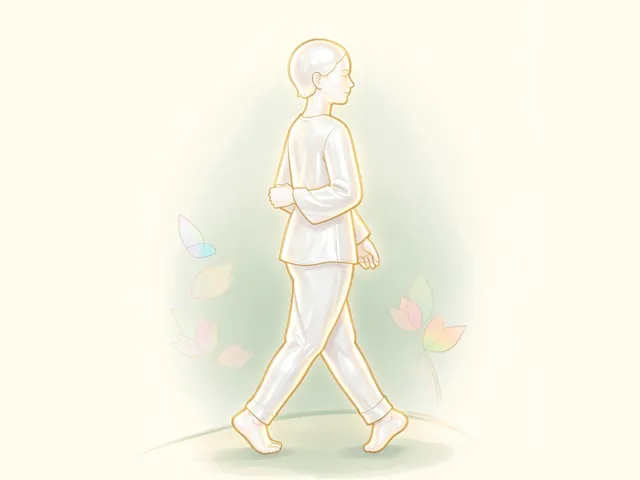
A walk in a forest is one of the simplest ways to move your body. You need no class, no mat and no special skill. This guide shows you how to begin, how to stay safe and how to bring a calm mind along.
This is general wellness information, not medical advice. Read our health disclaimer.
Why a forest walk is good for you
Walking is a form of regular exercise. Regular exercise may help you reach and keep a healthy weight [1]. It also strengthens your heart and improves your blood flow [1]. Exercise may help your body manage blood sugar too [1]. A forest adds shade, quiet and fresh air, which many people find pleasant. That can make it easier to keep going.
It is never too late to start
Many people sit for most of the day. If that sounds like you, you are not alone. Health experts say it is never too late to begin [1]. You can start slowly and add a little more activity over time [1]. A short, easy walk on a flat path is a fine first step. Over the weeks, you can walk a little longer.
Forest walk or treadmill desk?
Some offices use a treadmill desk. This is a desk fitted so you can walk while you work [2]. The idea is to bring gentle movement into a busy day [2]. A desk walk can help if you cannot get outside. A forest walk gives you something different. You see trees, hear birds and feel the ground change under your feet. If you can, try to enjoy both.
Walk with a calm mind
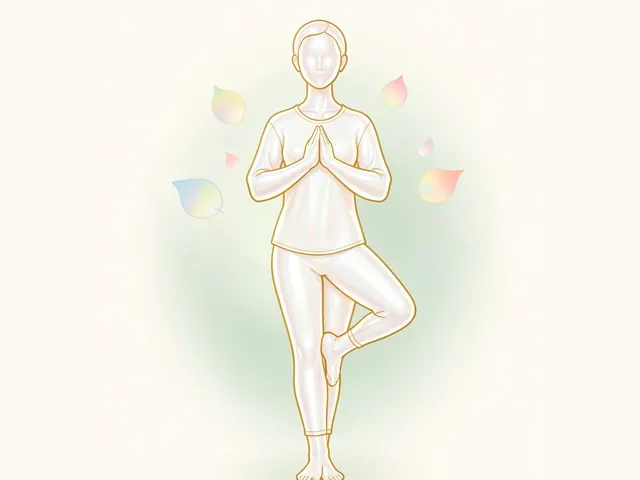
A forest is a good place to practise Walking Meditation (Chankramana), which means slow, mindful walking. Walk at an easy pace. Feel each foot touch the ground. When your mind wanders, bring it back to your steps. You can also pause under a tree and try Tree Pose (Vrikshasana), a gentle standing balance. Stand tall, breathe slowly and look at one steady spot. Move only as far as feels comfortable. Regular movement of any kind is good for your health [1].
Balance, as the Bhagavad Gita teaches
The Bhagavad Gita is an old Indian text. In verses 6.16 and 6.17, it speaks of balance in eating, sleeping, effort and rest. You can bring this idea to your walks. Do not push too hard, and do not skip rest. Health guidance says to aim for the amount of activity that suits your age [1]. Pick a pace and distance that feel steady and kind to your body.
Stay safe on the trail
Choose a clear path, especially at first [1]. Wear shoes with a good grip. Bring water, and tell someone where you are going. Check the weather and the daylight before you leave. Go slowly on wet leaves, roots and steep ground. If you have a health problem or feel unsure about exercise, talk to your doctor first. Stop and rest whenever you feel unwell.
Try it: simple steps
- Pick a short, flat forest path.
- Wear comfortable shoes and bring water.
- Start with ten to fifteen minutes.
- Walk at an easy pace you can talk at.
- Feel your feet touch the ground with each step.
- Pause to breathe slowly and look around.
- Add a few minutes each week if it feels good.
Questions people ask
How long should a forest walk be?
Start with ten to fifteen minutes. Add time slowly as your body feels ready. Health guidance says to aim for the amount of activity that suits your age [1].
Is walking in a forest good exercise?
Yes. Walking is a simple way to stay active. Staying active may help your heart, your weight and your blood sugar [1]. Uneven ground can make it feel a little harder than a flat road.
Can I do walking meditation in a forest?
Yes. Walking Meditation (Chankramana) suits quiet paths well. Walk slowly, feel each step and gently return to your feet when your mind drifts.
Should I see a doctor before I start?
If you have a health problem, or you have been inactive for a long time, ask your doctor first. Yoga and walking are for general wellness. They do not replace medical care.
Sources
- MedlinePlus: Benefits of Exercise · U.S. National Library of Medicine
- Wikipedia: Treadmill desk · Wikipedia (background only)
Written with AI assistance from the sources above, then checked for copied text and risky health claims. How we write
Practise it here
Related reading
This is general wellness information, not medical advice. Move slowly, never force a pose or a breath, and stop if you feel pain, dizziness or breathlessness. If you are pregnant, have high blood pressure, heart, lung or eye conditions, or recent surgery, ask your doctor before starting.